September 15, 2026
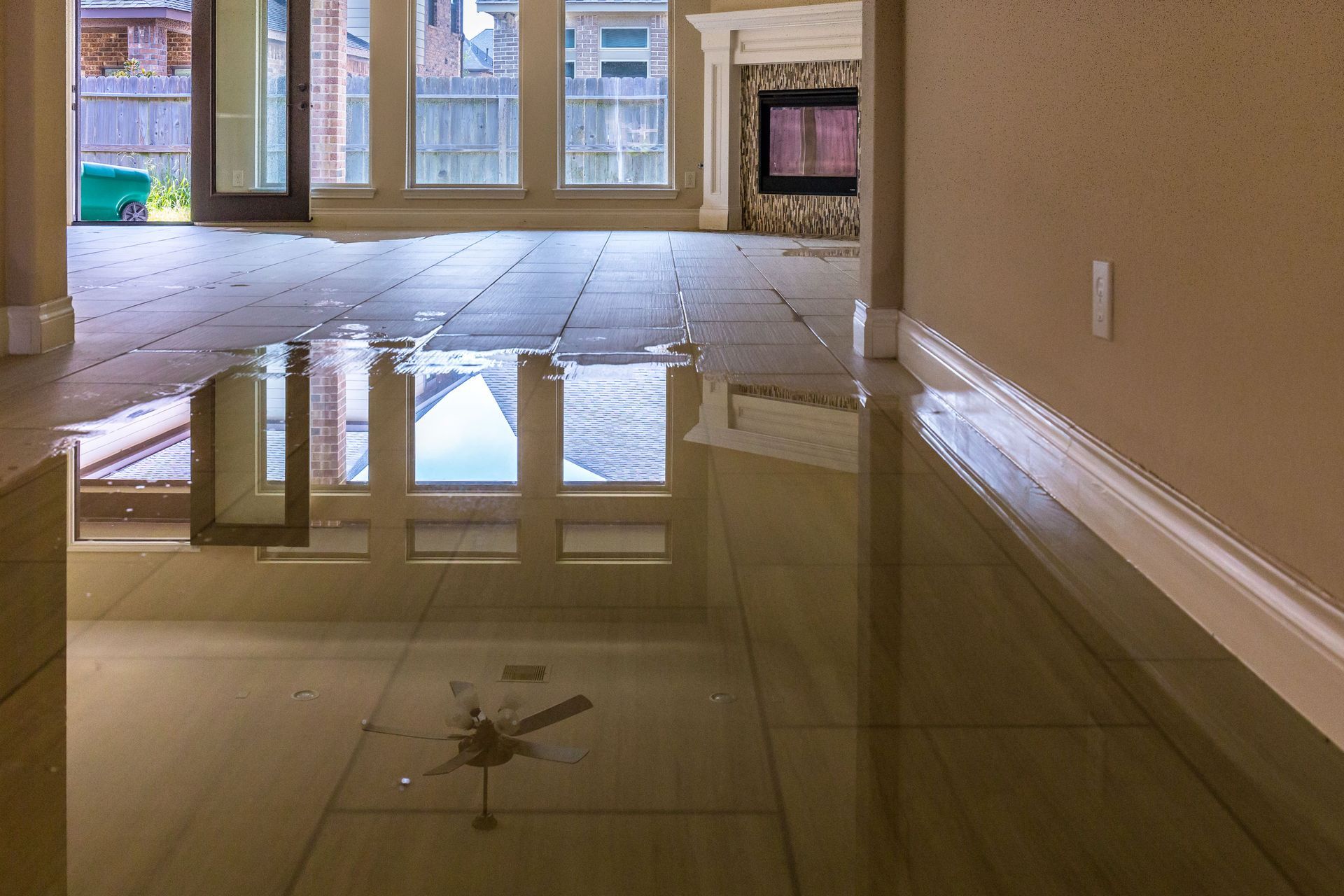
Discovering a flooded basement is every homeowner’s worst nightmare, bringing immediate stress, confusion, and panic. However, taking swift, strategic action can significantly minimize structural issues and stop long-term problems like mold growth in their tracks. According to data from RubyHome, 98% of basements in the U.S. will experience some degree of water damage at least once. Knowing the exact steps to take during the first critical hours makes all the difference between a simple cleanup and a costly, full-scale renovation project. Partnering with professional water damage services right away ensures your home is restored safely, efficiently, and thoroughly from top to bottom.
Assess the Immediate Danger
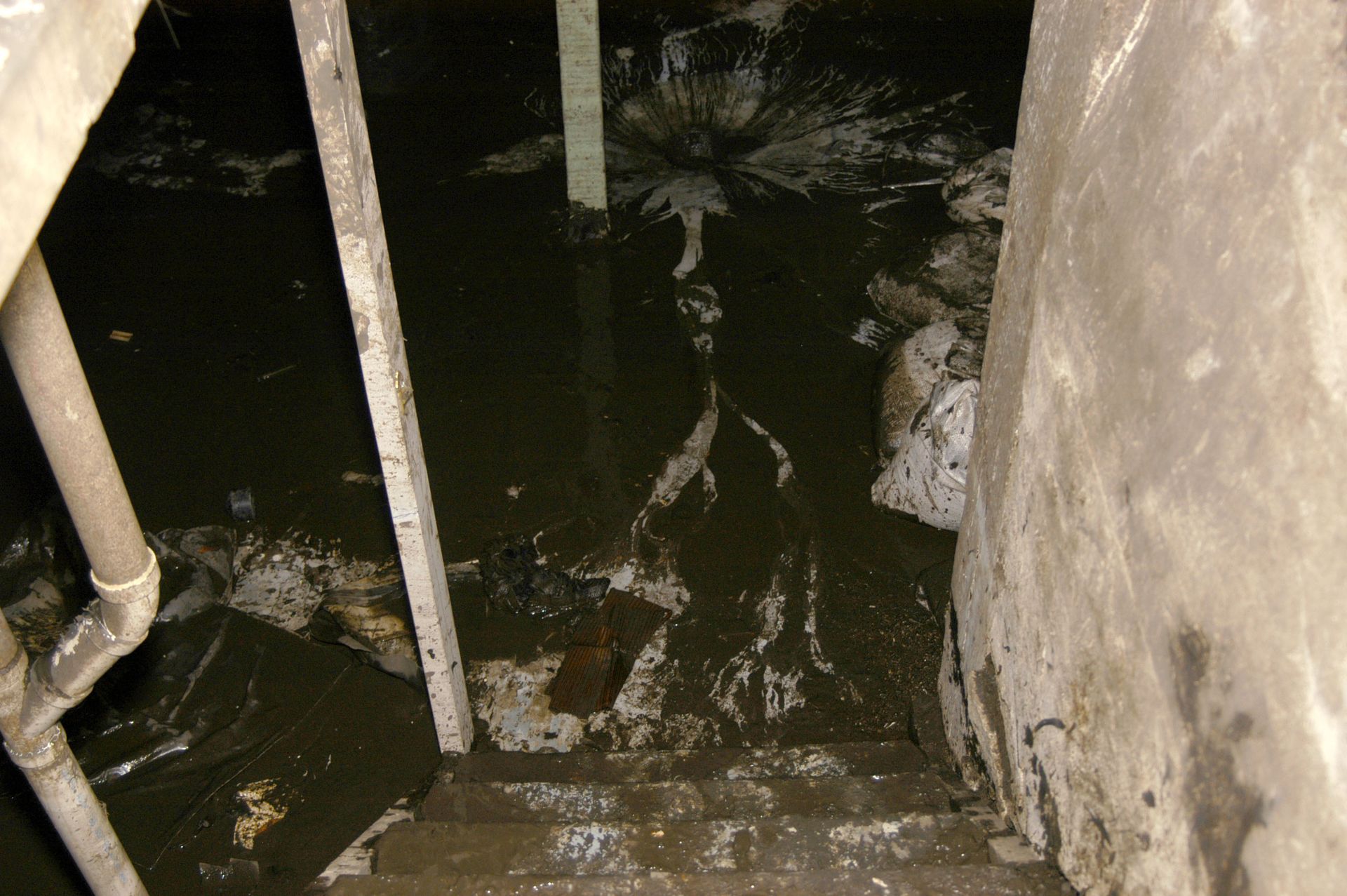
Before stepping into a flooded basement, your absolute highest priority must be personal safety. Flooded spaces present severe hazards, including electrical risks, structural instability, slick footing, gas leaks, and toxic contamination. Carefully inspect the entire area from the doorway or the top of the stairs before venturing into the space. Look for structural shifts, bowed drywall, sagging ceiling tiles, cracked foundation walls, or murky water that could hide submerged sharp objects and debris.
If the water level is rising rapidly, if you smell natural gas, or if you suspect severe structural weakening, stay out and evacuate the premises immediately. Never assume that shallow water is safe, as even a few inches can conceal dangerous contaminants or energized electrical cords. Taking a calm moment to thoroughly evaluate these physical hazards prevents severe personal injuries while setting the stage for an organized, controlled response to the emergency.
Cut the Electrical Power
Water and electricity create a lethal combination, making power disconnections essential before beginning any mitigation or cleanup work. Never walk through standing water or touch damp electrical appliances if the main electrical power inside the space is active. Locate your main breaker panel and switch off the electrical supply to the basement circuits immediately.
If the electrical panel itself is located in the basement, sits near the rising water line, or is completely submerged, do not attempt to reach it yourself. Instead, call an electrician or your utility provider right away to cut off power to the property from the outside. Once the power is safely shut down, avoid using standard corded tools or appliances in damp areas unless they are plugged directly into specialized Ground Fault Circuit Interrupter outlets equipped with extension cords designed for wet environments.
Shut Off Water Sources
If the flooding stems from an internal plumbing issue—such as a burst supply pipe, broken washing machine line, failed water heater, or leaky plumbing fixture—you must stop the incoming flow of water immediately. Locate your property's main water shutoff valve, typically found near the water meter, main front wall, or basement utility closet, and turn it clockwise until it completely closes.
If the flooding is caused by natural heavy rainfall, severe storm runoff, sewer line backups, or ground seepage through foundation walls, an immediate plumbing valve fix may not apply. However, identifying whether the source is clean supply water, gray water from appliances, or black contaminated wastewater helps determine the appropriate personal protective equipment, safety protocols, and cleanup strategy moving forward.
Contact Water Damage Services
Time is critical when dealing with standing water, as building materials absorb moisture rapidly with every passing minute. Calling reputable water damage services within the first few hours prevents widespread mold growth, wood rot, drywall collapse, and severe structural decay.
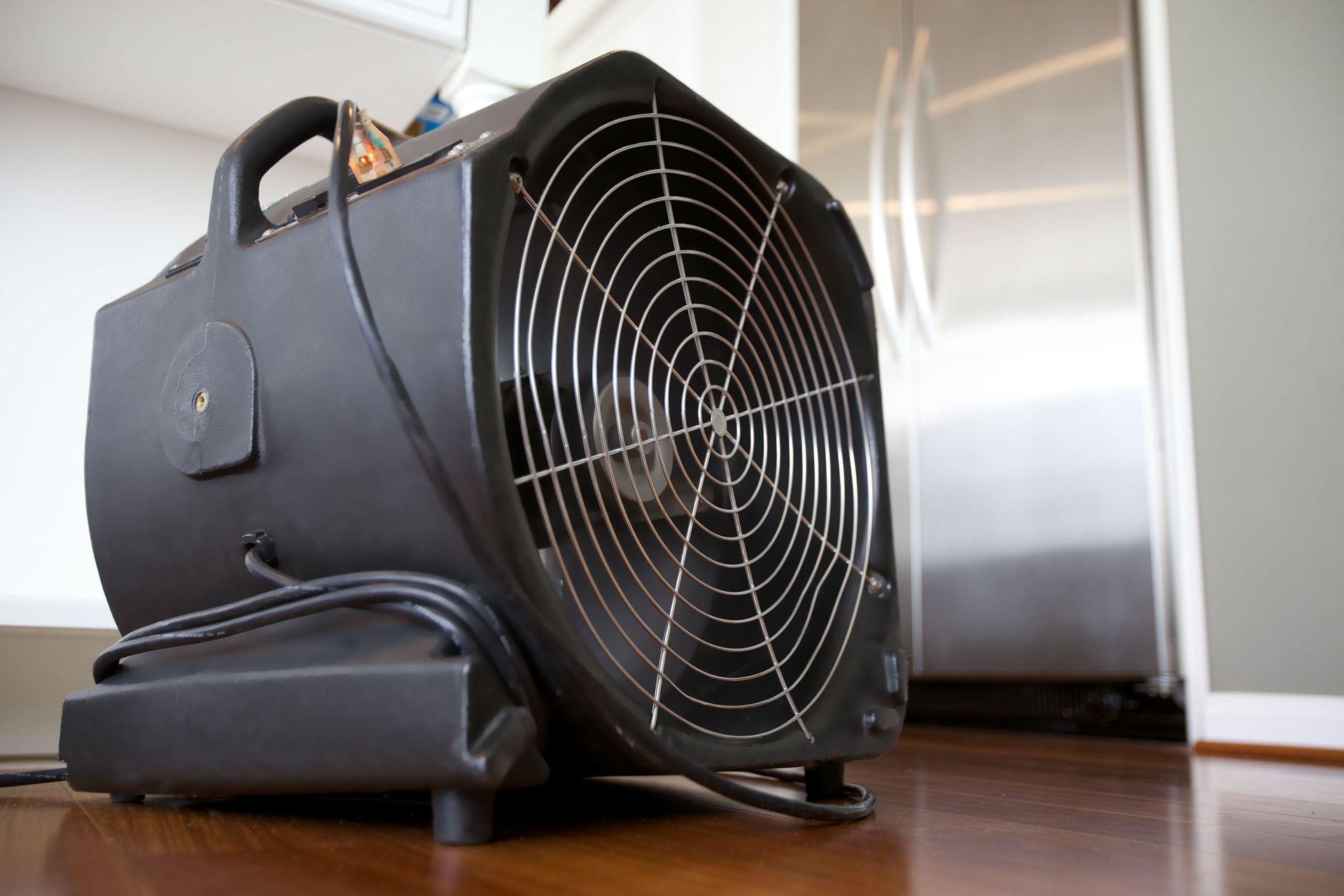
Professional restoration teams bring heavy-duty, industrial-grade water extractors, commercial dehumidifiers, high-velocity air movers, and specialized thermal imaging moisture meters that standard household equipment simply cannot match. By bringing in trained experts early in the process, you streamline the entire cleanup operation, protect your property’s structural foundation, prevent toxic mold spores from spreading into your upper living spaces, and secure the precise technical documentation required for a smooth insurance restoration claim.
Document the Flooded Area
Before removing any damaged items, tearing out soaked materials, or pumping out standing water, you need comprehensive visual evidence for insurance purposes. Walk through the accessible areas safely and take detailed, high-resolution photos and videos showing the overall water depth, affected walls, saturated flooring, damaged building materials, and ruined personal possessions.
Make a thorough, itemized inventory list of all ruined electronics, furniture, carpet, clothing, tools, and structural elements, noting estimated purchase dates, brand names, model numbers, and values where possible. Proper evidence gathering ensures your insurance adjuster receives an accurate, undeniable assessment of the total loss, helping you secure full reimbursement for your damaged property without unnecessary processing delays.
Notify Your Insurance Provider
Reach out to your home insurance carrier as soon as possible to file an official claim and discuss coverage details for the incident. Explain the situation clearly, share your initial documentation photos, and ask your representative whether your policy covers general water intrusion, plumbing failure, sewer backup, or overland flood damage.
Many insurance providers maintain direct network partnerships with water damage services, which can speed up claim approvals, formal repair estimates, direct billing, and payment processing. Ask your agent about your specific deductible amount, required documentation steps, and immediate out-of-pocket limits so you can proceed with confidence and avoid unexpected out-of-pocket expenses during the emergency cleanup process.
Rely on Professional Extraction
Deep or widespread flooding requires commercial extraction performed by qualified technicians. Attempting to remove hundreds or thousands of gallons of standing water with household gear is inefficient and allows moisture to saturate deeper into structural materials.
When you hire qualified water damage services, they deploy truck-mounted extraction units and heavy-duty submersible pumps capable of rapidly clearing vast volumes of water. Trained crews safely manage the disposal of wastewater, extract liquid trapped beneath subfloors, and initiate structural drying before wood framing and concrete suffer irreversible damage.
Authorize Professional Drying and Sanitization
Complete structural drying, deep moisture monitoring, and thorough sanitization are technical procedures that require commercial-grade equipment and specialized training. Once the bulk liquid is gone, technicians position industrial low-grain refrigerant (LGR) dehumidifiers, air scrubbers, and high-velocity air movers throughout the space to pull deeply embedded moisture out of wall studs, drywall, and concrete slabs.
Additionally, restoration crews apply EPA-registered antimicrobials and sanitizing agents to neutralize bacteria, pathogens, and foul odors left by floodwaters. Professional water damage services monitor these drying conditions daily using thermal imaging cameras and pinless moisture meters, maintaining detailed drying logs until every structural element reaches safe, industry-standard moisture levels.
Dealing with a flooded basement is undeniably challenging, but staying organized and taking immediate, methodical action mitigates structural destruction and keeps your living environment safe for your family. By assessing immediate hazards, cutting off electrical power, shutting down water valves, documenting losses thoroughly, and removing standing water immediately, you lay a solid foundation for a successful and complete property recovery.
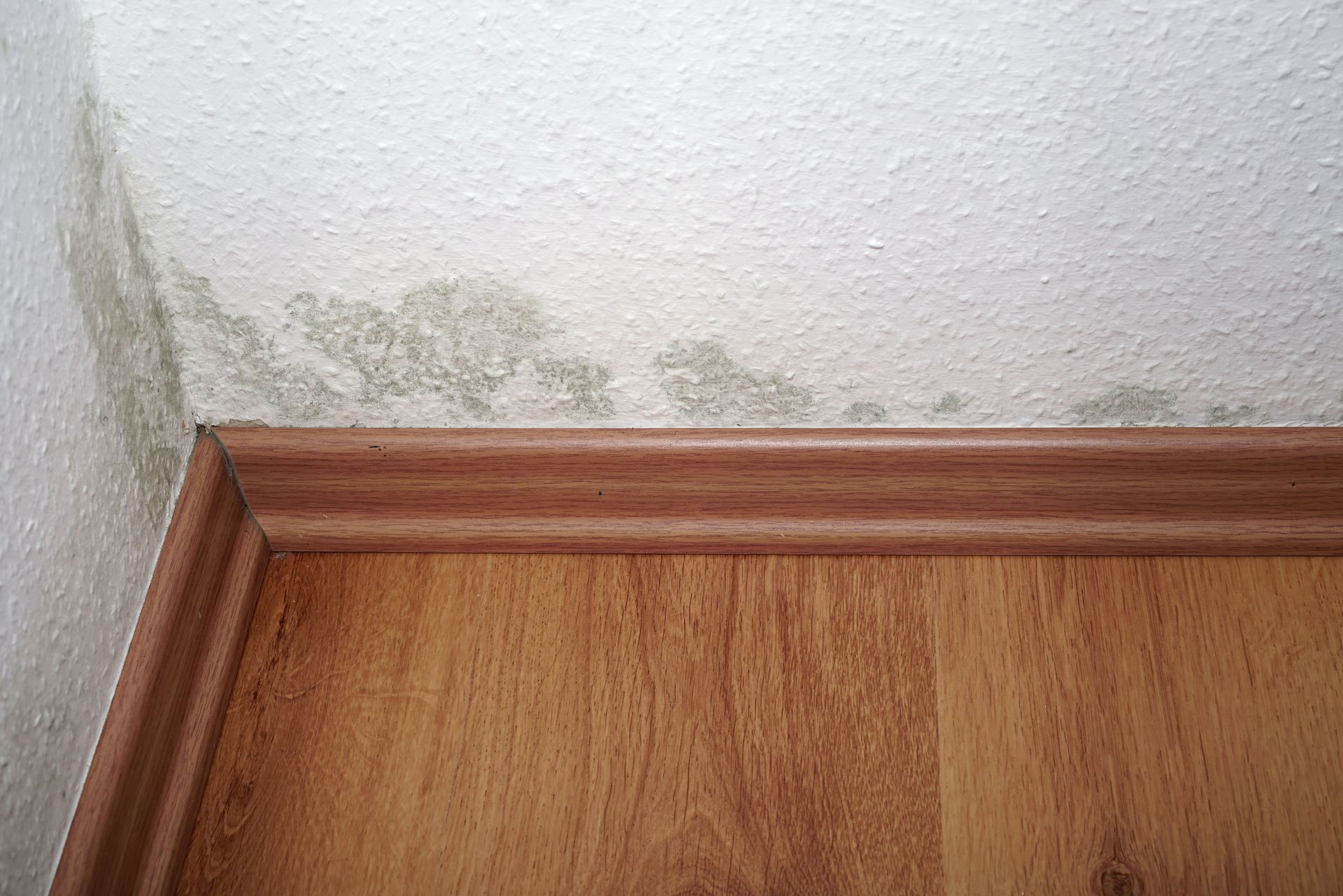
Remember that hidden moisture can linger undetected inside wall cavities, subfloors, and ceiling spaces, creating dangerous mold hazards long after the surface looks completely dry to the naked eye. Investing in professional water damage services provides the specialized expertise, advanced technology, and commercial equipment needed to fully restore your property to pre-loss condition.
Are you currently dealing with a flooded basement and need fast, reliable assistance? Contact the expert team at Westphal Waste Services today to schedule an immediate emergency response and full property inspection. Let us protect your home, handle the mess, and restore your peace of mind with our top-rated
water damage services.