October 12, 2026
Mold can develop quickly when excess moisture is present in a home. Leaks, flooding, high humidity, and other moisture problems can create conditions that allow mold to spread across affected areas and materials. Addressing the problem promptly can help limit property damage and support a healthier indoor environment.
A mold problem can also be difficult to identify when growth develops in less visible areas. Musty odors, discoloration, recent water damage, and persistent moisture can all indicate that further inspection is needed. A professional mold remediation service can help identify the extent of the problem, address affected areas, and reduce the conditions that allow mold to return.
Identifying Mold Growth
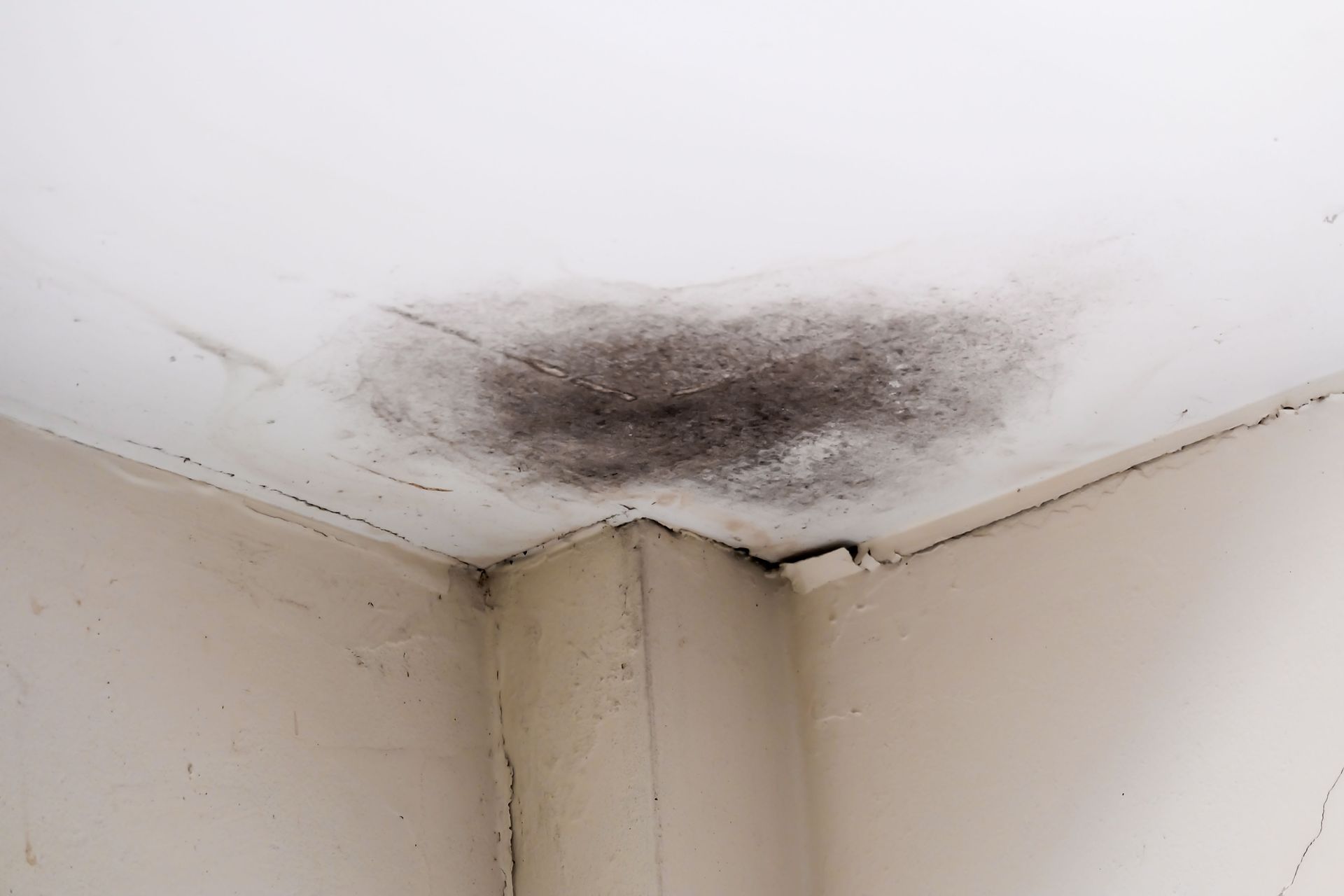
Mold commonly develops in areas where moisture remains present for extended periods. Leaking pipes, roof or window leaks, flooding, and excess indoor humidity can all contribute to mold growth. Basements, bathrooms, attics, and other areas affected by water intrusion can be especially susceptible when moisture isn't addressed promptly.
Visible discoloration is one possible indication of mold, but growth isn't always easy to see. Musty odors can also point to a potential moisture or mold issue, particularly when the source isn't immediately apparent. Recent flooding or water damage is another reason to have affected areas assessed before a small problem develops into a larger one.
According to guidance on mold prevention, keeping indoor humidity below 50% can help create conditions that are less favorable for mold growth. Monitoring humidity levels can be especially useful in areas that tend to remain damp, such as basements. Addressing leaks, improving airflow, and using dehumidification when appropriate can also help control moisture inside the home.
Assessing Affected Areas
A professional mold remediation service begins with evaluating the property and determining where mold and moisture are present. An assessment can help identify visible growth as well as conditions that may be contributing to the problem. Understanding the source and extent of the moisture issue is important before cleanup begins.
Moisture can sometimes remain hidden behind walls, beneath flooring, or in other areas affected by water intrusion. Identifying these conditions can help prevent a surface-level cleanup from leaving the underlying issue unresolved. A thorough assessment also helps determine which areas and materials require additional attention.
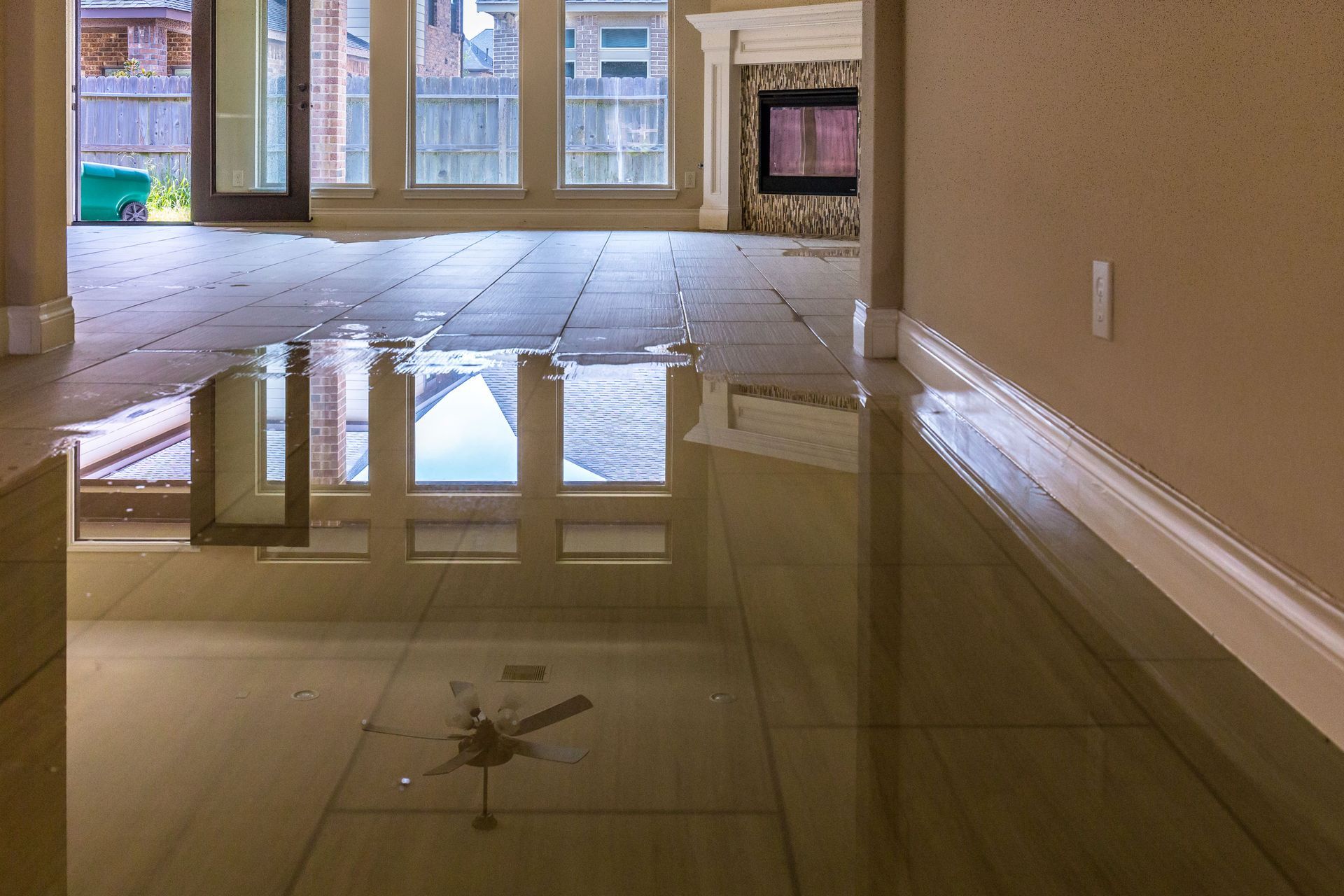
Recent water damage can make this assessment particularly important. Flooding, plumbing problems, and other water emergencies can leave moisture behind even after standing water has been removed. Addressing both the water and resulting mold concerns can help reduce the possibility of continued damage.
Containing Mold Growth
Containment helps limit the spread of mold from an affected area to other parts of the property. Disturbing contaminated materials without appropriate precautions can allow particles to move into surrounding spaces. Proper containment keeps the work area controlled while cleanup and removal take place.
A mold remediation service can use appropriate procedures to isolate affected areas during the cleanup process. This approach is particularly important when mold is present across multiple surfaces or when contaminated materials need to be removed. Keeping affected areas controlled can help protect unaffected portions of the property during remediation.
Containment is also part of maintaining a more organized restoration process. Once the affected areas are isolated, professionals can focus on removing contamination and addressing moisture without unnecessarily disturbing other parts of the home. This can be especially helpful when remediation follows significant water damage.
Removing Mold Safely
Removing visible mold is only one part of addressing a mold problem. A mold remediation service should also account for affected materials, the moisture source, and the conditions that allowed the growth to develop. Simply cleaning a visible area without addressing the underlying moisture can leave the property vulnerable to recurring problems.
Depending on the situation, affected materials may need to be cleaned, treated, or removed. Professional equipment and established procedures can help limit the spread of mold during this process. Careful removal also helps reduce the chance of leaving affected areas untreated.
Thorough cleanup can also support improved indoor air quality. Mold and moisture can affect the overall condition of an indoor space, particularly when growth has spread beyond a small, isolated area. Addressing the affected areas as part of a comprehensive remediation process can help restore a cleaner environment.
Drying Moisture Sources
Moisture control is a key part of addressing mold because damp conditions can encourage continued growth. Removing mold without correcting the source of moisture can make the problem more likely to return. For this reason, drying and dehumidification can be important parts of the remediation process.
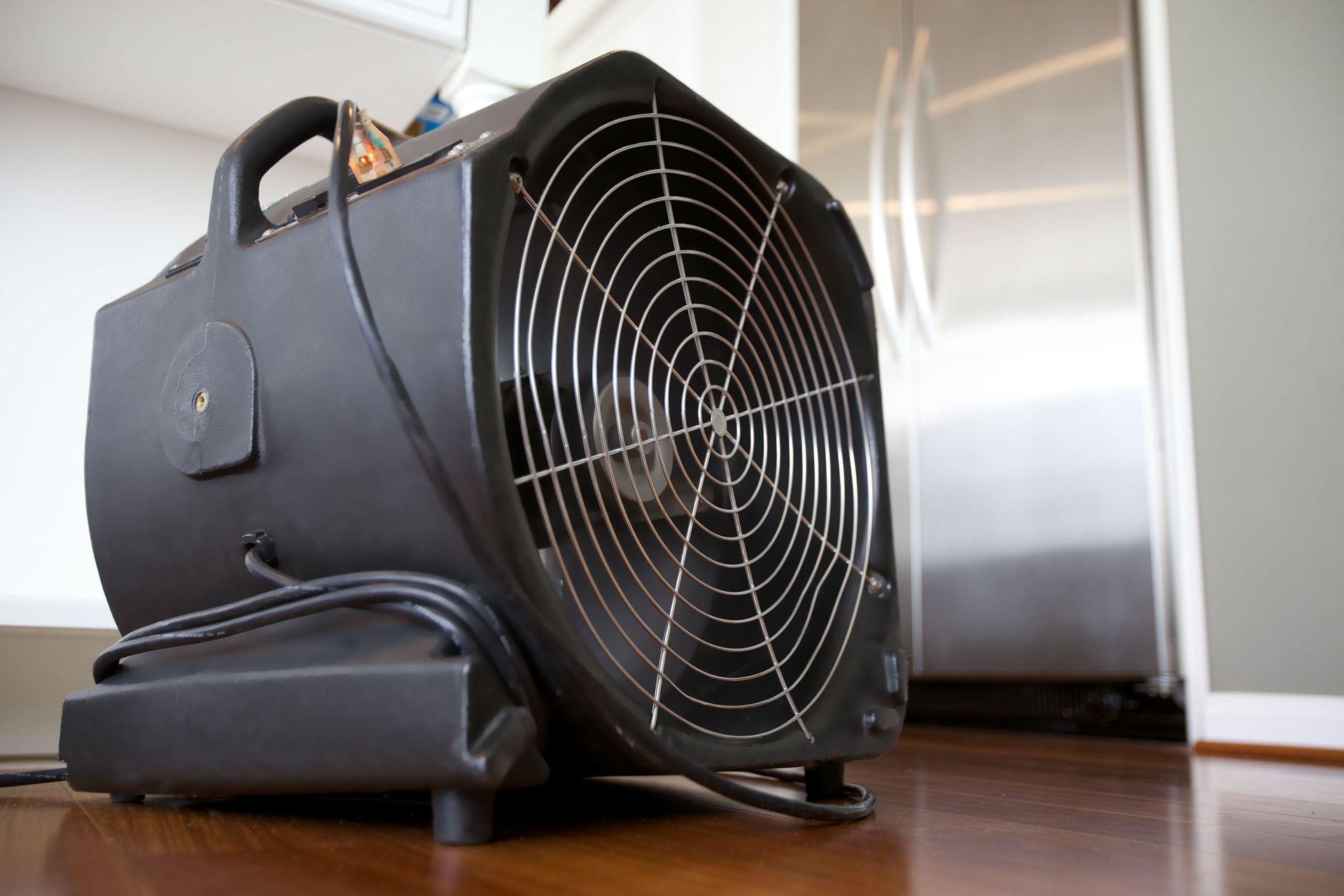
Structural drying can help remove moisture from affected areas following water damage. Dehumidification can also help lower excess moisture in the air, particularly in spaces where humidity remains elevated. Together, these steps can help create conditions that are less favorable for continued mold growth.
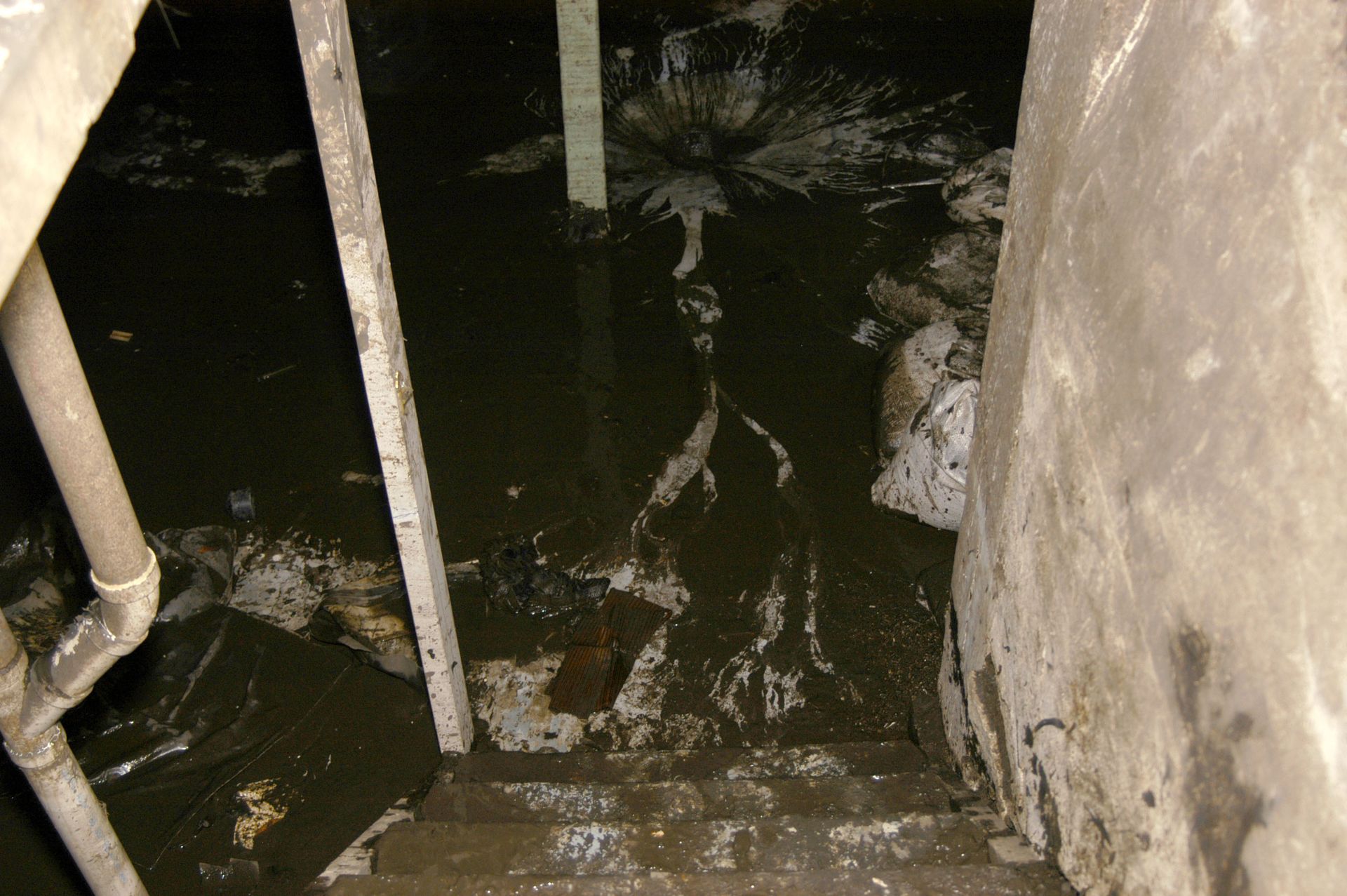
Water damage can come from many sources, including flooded basements, sewage backups, plumbing problems, and storms. Responding quickly can help reduce secondary damage and limit the amount of time materials remain wet. Addressing water problems promptly can therefore be an important part of protecting the property from additional mold concerns.
Filtering Indoor Air
Air filtration can be another important component of a mold cleanup project. Mold particles can become airborne when affected materials are disturbed, making appropriate air management important during remediation. Professional filtration methods can help address airborne particles during the remediation process.
A mold remediation service may incorporate air purification and filtration as part of a broader cleanup strategy. These measures complement containment, removal, and moisture control rather than replacing them. Using several appropriate approaches can help address the different factors involved in a mold problem.
Improving indoor air quality can also be an important consideration after water or mold damage. Once affected areas have been addressed, continued moisture control and appropriate air management can support a healthier indoor environment. These measures can also help reduce conditions that contribute to recurring mold concerns.
Preventing Future Growth
Prevention begins with controlling the conditions that allow mold to develop. Fixing leaks, addressing water intrusion, controlling humidity, and improving ventilation can all help reduce moisture inside the property. Regularly checking areas that have experienced previous water damage can also help identify problems early.
A mold remediation service can help property owners understand the factors that contributed to the original growth. Recommendations may include moisture control, dehumidification, improved ventilation, or other steps based on the property's specific conditions. Addressing these factors can make future mold growth less likely.
Quick action after water damage is also important. Standing water and lingering moisture can create favorable conditions for mold, particularly when affected materials aren't dried promptly. Having water damage evaluated and addressed as soon as possible can help protect the property from additional problems.
Restoring Your Home
Mold remediation can be part of a larger restoration process when a property has experienced water damage. Depending on the situation, restoration may involve structural drying, cleaning, repairs, or other work needed to return affected areas to their previous condition. Coordinating these services can make the process more manageable for homeowners dealing with property damage.
Professional restoration can also address damage beyond the immediate mold growth. Water-damaged flooring, walls, and other materials may require additional attention after moisture has been removed. Handling these concerns as part of the overall restoration process can help return the property to a usable condition.
For homeowners dealing with visible mold, musty odors, high humidity, or recent water damage, early action can help limit the scope of the problem. A professional mold remediation service can assess the affected areas, remove mold, address moisture, and provide preventive recommendations based on the property's needs. Contact Magna Dry Cleaning and Restoration Inc today for a free consultation or estimate and professional mold remediation service.