August 10, 2026
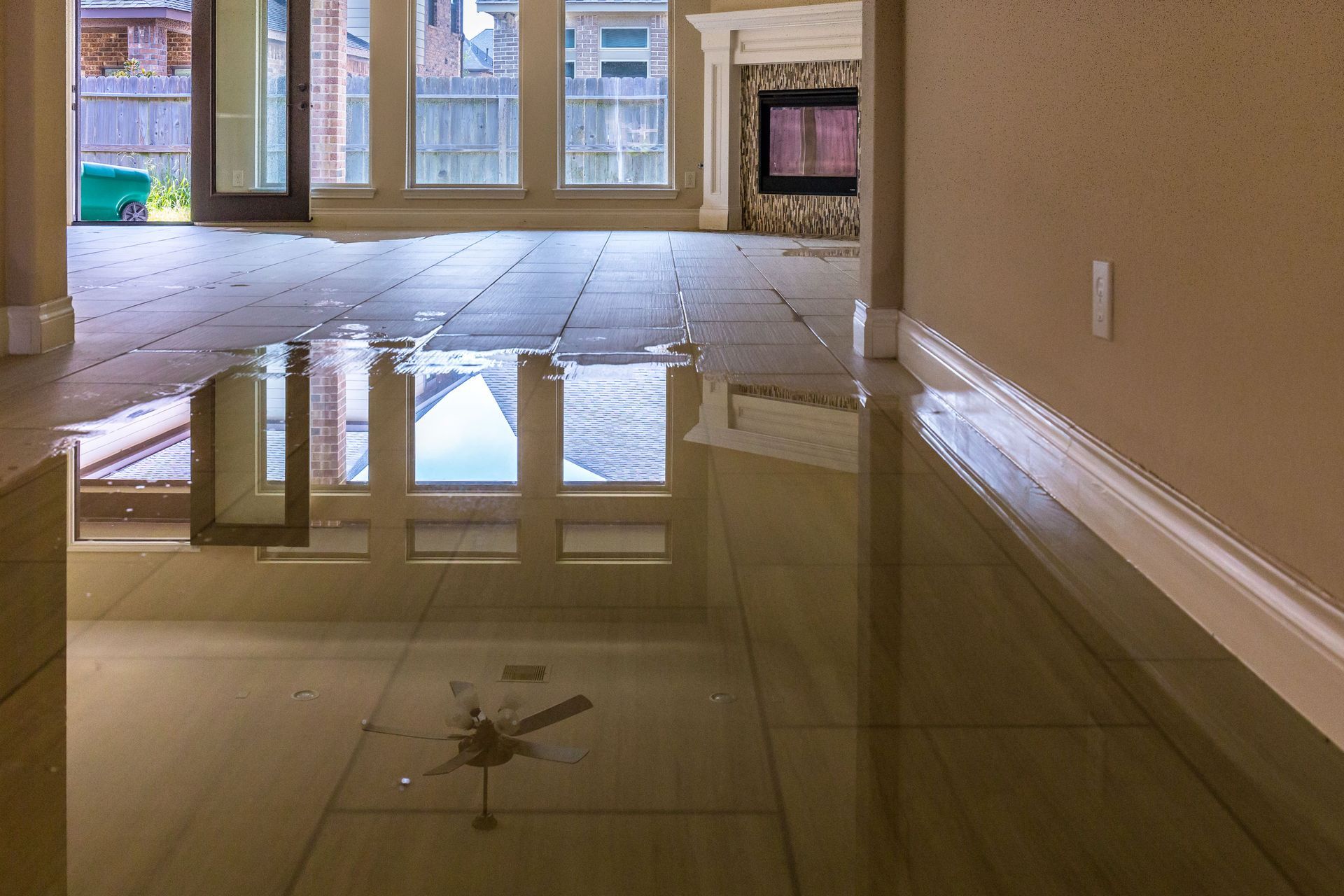
Water damage is one of the most stressful events a Westchester County homeowner can experience, and the hours immediately following the discovery of a leak, a burst pipe, a flooded basement, or storm-related intrusion most determine whether the damage will be contained or allowed to compound into a significantly larger and more expensive restoration challenge. Many homeowners attempt to address water damage themselves with shop vacuums, fans, and over-the-counter drying products — and while this feels proactive, it rarely achieves the complete moisture removal that the structure needs to prevent the secondary damage that develops invisibly within walls, beneath floors, and inside insulation over the days and weeks that follow. Understanding what a professional restoration team actually does when they respond to water damage gives every Westchester County homeowner the most accurate picture of why professional intervention so consistently produces better outcomes than self-directed response. This overview walks through the professional water damage treatment process step by step.
Understanding Why Rapid Professional Response Changes the Outcome
According to Gitnux, water damage claims are the most common homeowners insurance claims in 15 states, which reflects how frequently and how disruptively this type of event affects residential properties across the country. A water damage service that responds to this reality with 24/7 emergency availability gives homeowners the most time-critical professional response available, because the restoration process is genuinely a race against the clock in which every hour of delay allows moisture to penetrate more deeply into structural materials and creates more favorable conditions for the mold growth that can begin developing within 24 to 48 hours of initial water intrusion. Understanding that the frequency of water damage claims nationally reflects the very same vulnerability that Westchester County homes face gives every homeowner a compelling reason to know their restoration provider before a crisis forces the choice under pressure.
Starting With a Thorough Inspection That Maps the Full Moisture Extent
The first step in any professional water damage response is a thorough inspection using advanced moisture meters, thermal imaging cameras, and structural evaluation tools that identify both the visible evidence of water intrusion and the hidden moisture that has migrated behind walls, beneath flooring, and into the building's structural cavities in ways that no visual examination can reveal without specialized detection technology. A water damage service that conducts this comprehensive initial inspection before any extraction or drying begins is developing the accurate map of the full moisture extent that will guide every subsequent restoration decision, including which materials can be dried in place, which require removal, and where the dehumidification and air movement equipment should be positioned to achieve the most complete drying outcome. Homeowners who skip professional inspection in favor of proceeding directly to visible cleanup consistently discover months later that the moisture they could not see has produced the structural deterioration, mold growth, and indoor air quality problems that a complete initial inspection would have identified and addressed during the active restoration phase.
Extracting Standing Water Before It Continues to Spread
Water extraction is the most physically dramatic phase of the professional response, using truck-mounted and portable extraction equipment with far greater capacity than any consumer-grade wet vacuum to remove standing water at the speed and volume that prevents it from continuing to migrate outward into adjacent materials and spaces. A water damage service that begins extraction as quickly as possible after arrival is limiting the horizontal and vertical spread of the moisture plume that standing water consistently produces in porous building materials like drywall, insulation, subfloor, and framing lumber, each of which begins absorbing water immediately upon contact and continues absorbing until the source is removed. Professional-grade extraction equipment removes the vast majority of standing water within the first hours of the response, setting the stage for the structural drying phase that addresses the moisture already absorbed into the building's materials.
Achieving Thorough Structural Drying Through Monitored Equipment
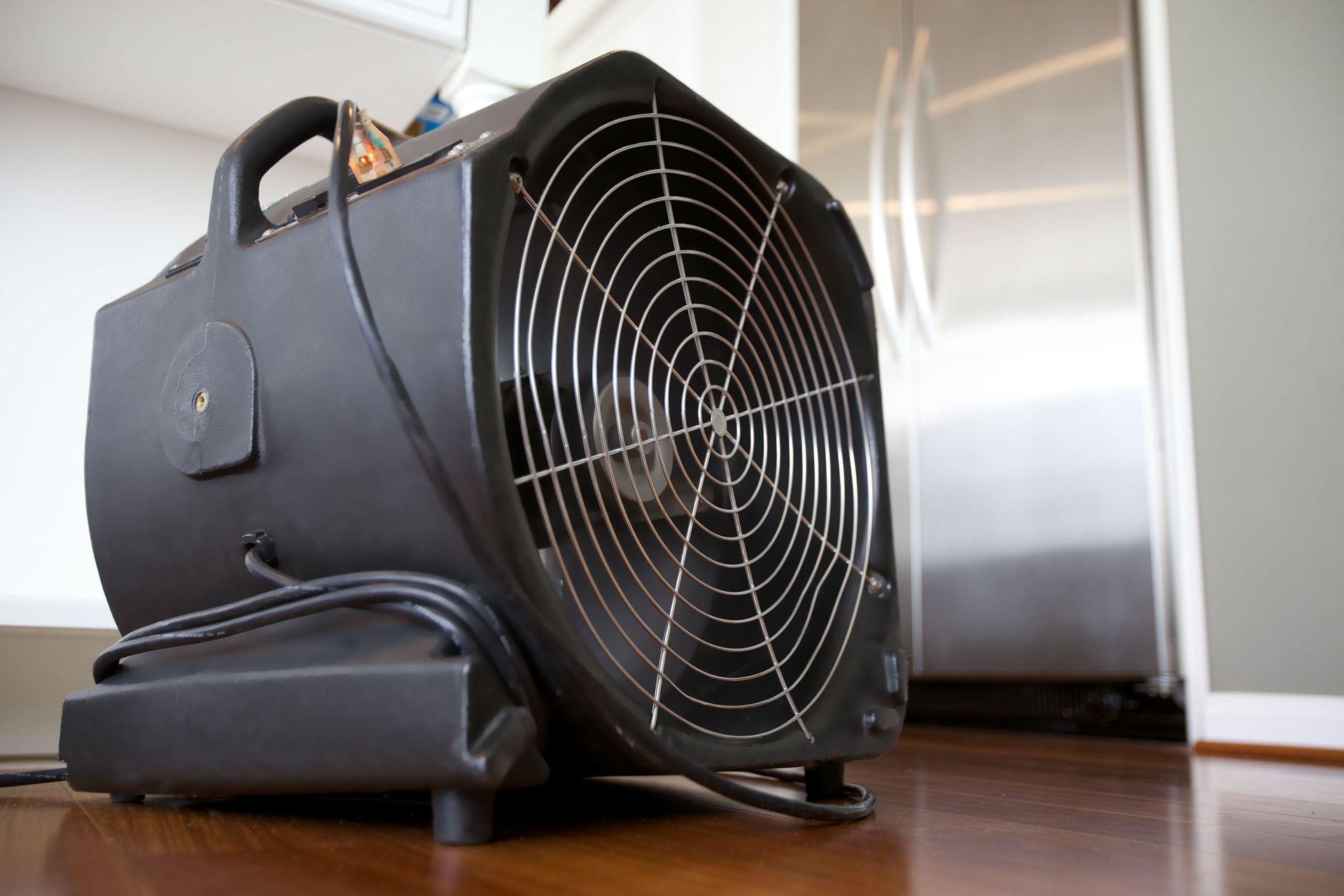
Structural drying using industrial air movers and commercial dehumidifiers is the phase of the professional restoration process that most homeowners underestimate, because the visible water may be gone. Still, the moisture content of the surrounding materials remains elevated well above the normal range for several days. It is this elevated moisture content that produces mold growth, structural weakening, and persistent musty odors that water damage leaves in buildings where the drying phase was abbreviated or handled with consumer equipment lacking the capacity to meet the drying standards required by professional remediation. A water damage service that deploys moisture monitoring throughout the drying process — measuring the moisture content of walls, floors, and structural framing daily and adjusting equipment placement in response to the readings — is managing the drying process to a documented standard rather than estimating by feel or appearance, which is the only reliable approach to ensuring that every affected material in the structure has reached the moisture content required before reconstruction can begin.
Addressing Mold Remediation as the Natural Follow-On to Water Damage
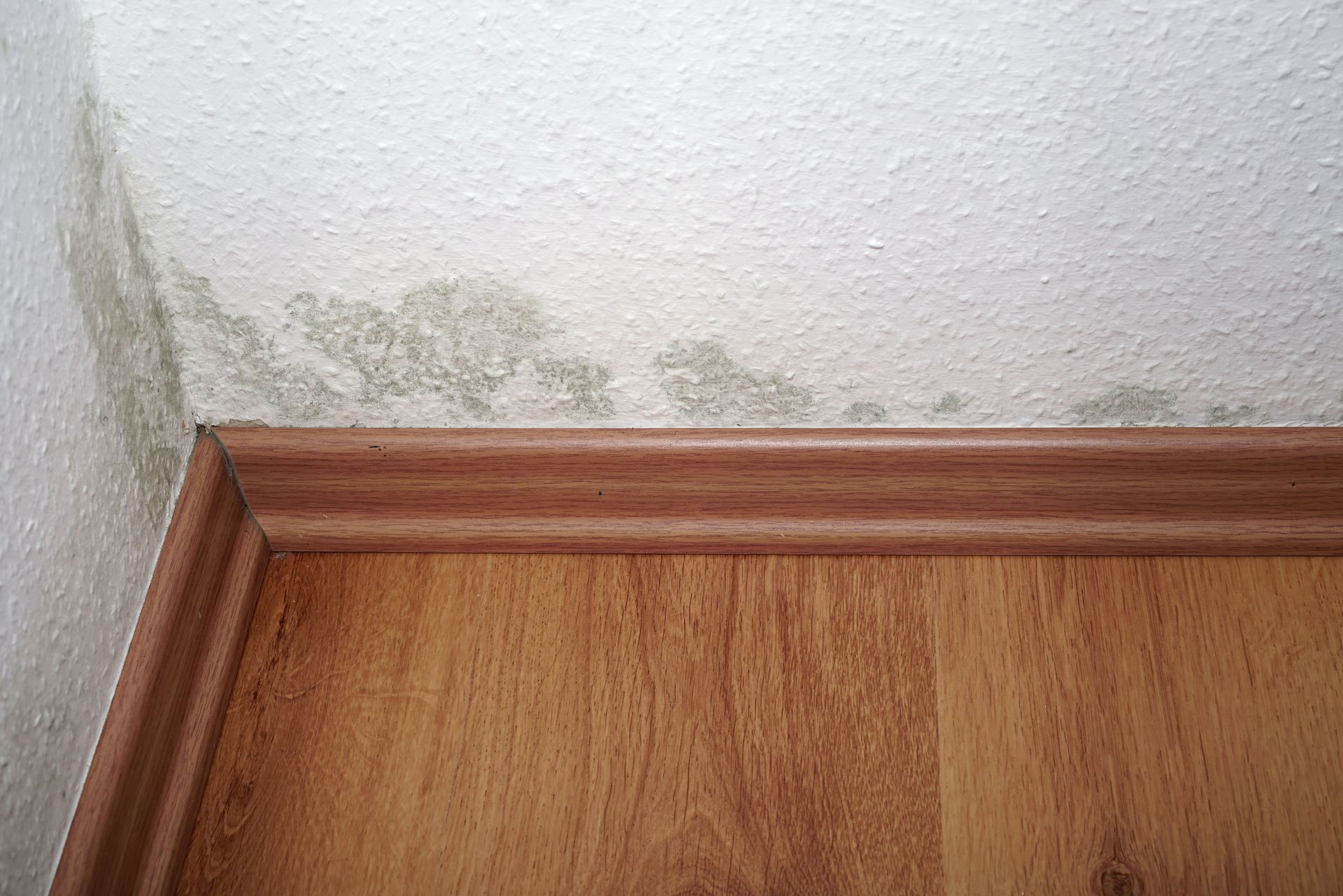
Mold remediation is one of the most important follow-on services that professional water damage response enables, because the same moisture conditions that make structural drying necessary are the conditions that create the opportunity for mold colonization in any area of the building where moisture was present long enough to allow spore germination before the drying process reduced the moisture content below the threshold that mold requires to continue developing. A water damage service that also offers mold removal services, attic mold removal services, basement mold removal services, and black mold removal services gives homeowners the most integrated and most comprehensive response available for the full range of consequences that water intrusion produces when it is not addressed rapidly enough to prevent biological growth in the affected areas of the structure.
Managing Flood Cleanup as a Contamination and Disinfection Event
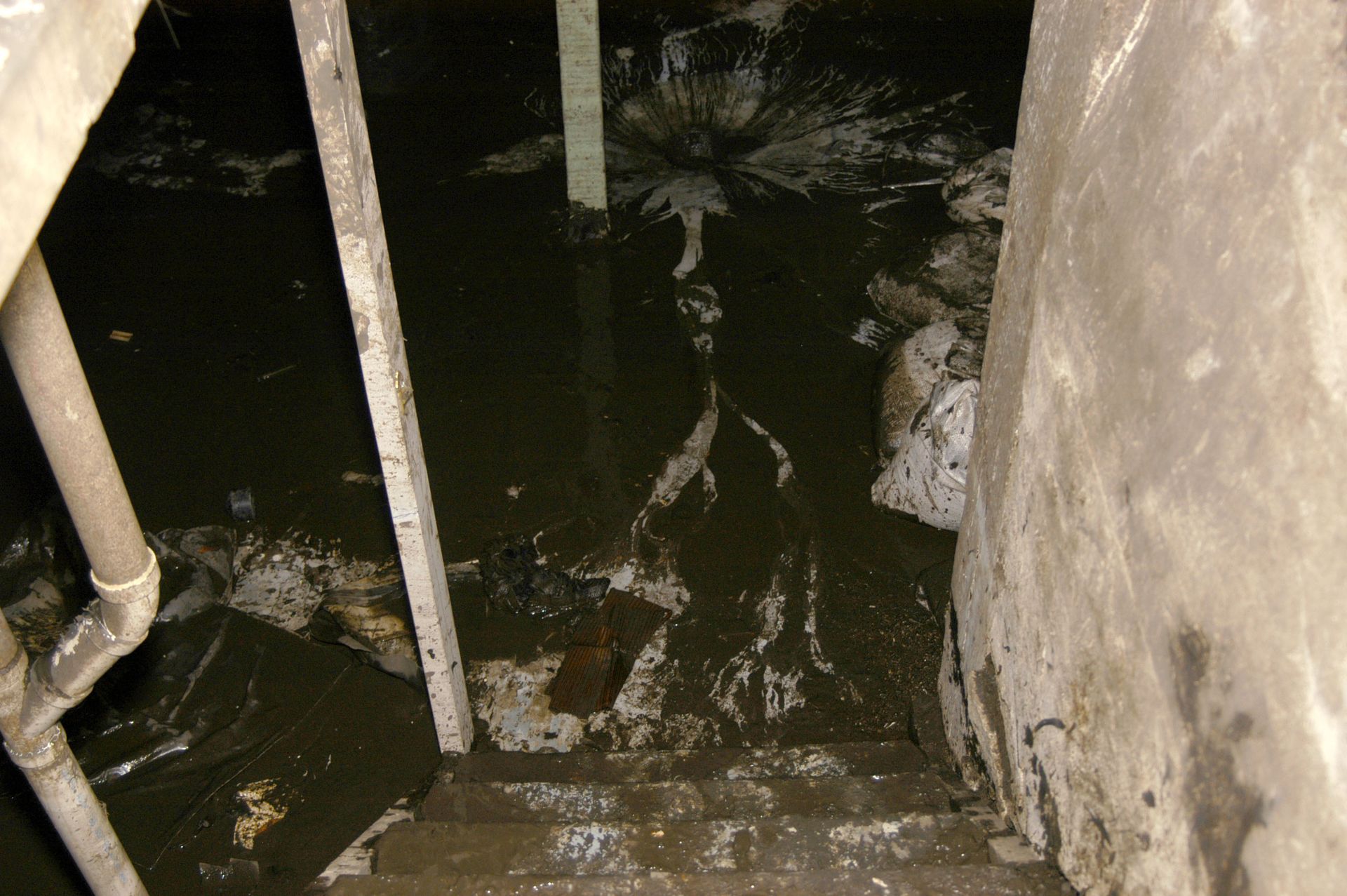
Flood cleanup presents a specific category of water damage response that differs from the plumbing-related intrusion that most homeowners are more familiar with, because flood water typically carries contaminants — including sediment, chemicals, and biological material — that make the affected areas of the home unsafe without the specialized decontamination and disinfection treatment the contaminated material requires before the space can be considered safe for occupancy. A water damage service that provides dedicated flood cleanup services understands the category-3 water contamination protocols that protect both the occupants and the restoration team from the health risks that contaminated flood water introduces into every surface and material it contacts throughout the affected area.
Treating Raw Sewage Backup as the Most Hazardous Water-Related Loss
Raw sewage cleanup is the most hazardous category of water-related loss that residential properties experience, and the biohazard contamination that sewage backup introduces into the affected areas of the home requires the same level of protective equipment, specialized cleaning protocols, and post-treatment disinfection that any biohazardous material cleanup demands from a certified team that is equipped and trained specifically for this type of remediation. A
water damage service that offers raw sewage cleanup and biohazard remediation services gives homeowners the most complete and most professionally appropriate response for the full spectrum of water and moisture-related losses that Westchester County properties can experience, from the clean water of a burst supply pipe through the contaminated water of a flooded basement and the biohazardous material of a sewer backup that has affected living areas of the home.
Professional water damage treatment is a systematic, equipment-intensive process that produces outcomes no amount of homeowner effort with consumer products can reliably replicate, and the difference is most apparent in the months that follow the initial event when improperly dried structures reveal the mold, the odors, and the structural deterioration that thorough professional restoration consistently prevents. Magna Dry Cleaning and Restoration Inc has proudly served homeowners and businesses throughout Westchester County, NY, the Bronx, and Fairfield County, CT for over 40 years as a fully licensed, insured, and IICRC-certified restoration team, and the company's 24/7 emergency availability, hassle-free insurance claims assistance, 100% customer satisfaction guarantee, and comprehensive water damage, mold, flood, and biohazard remediation capabilities make this team the most trusted restoration partner available to the communities it has served for over four decades. For more information, contact us today!