November 2, 2026
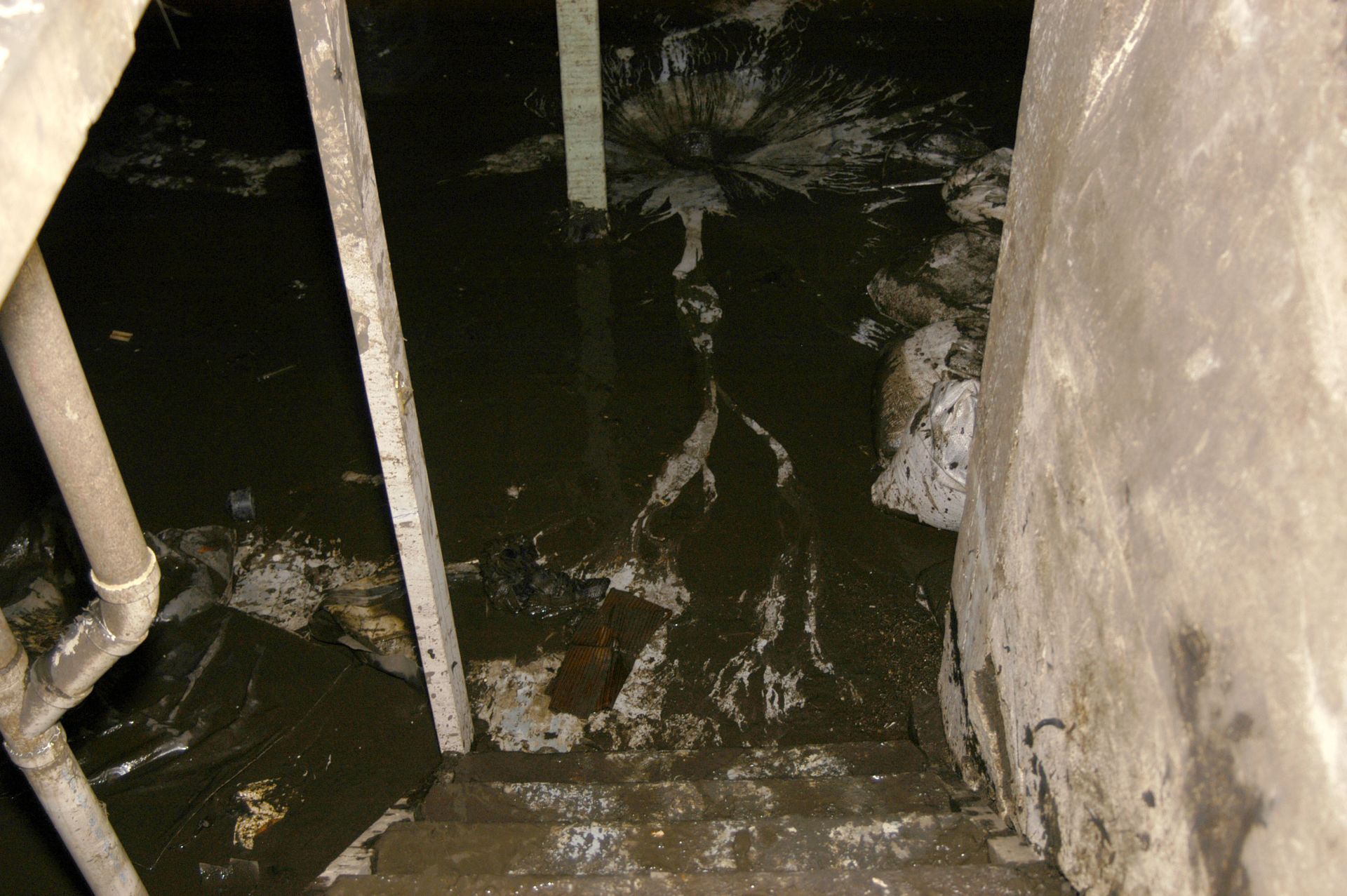
Moisture intrusion is one of the most frustrating challenges a homeowner can encounter. Whether resulting from a broken plumbing pipe, prolonged roof leak, seasonal flood, or chronic foundation seepage, unwanted water creates immediate structural disruptions. Beyond the obvious standing water and saturated drywall, persistent dampness sets up an ideal breeding ground for microbial contamination. Fungal spores exist naturally in outdoor air and readily enter residential environments through open windows, ventilation systems, or everyday foot traffic. While dormant in dry environments, these microscopic particles activate quickly when sustained dampness settles into building materials. Within 24 to 48 hours of water exposure, active colonization can take hold on carpets, framing studs, insulation, and floorboards. Addressing moisture problems is never merely about drying surface water; it is about stopping microbial development before it compromises indoor air quality and structural stability. Many property owners soon realize that handling comprehensive fungal cleanup requires specialized training, containment infrastructure, and diagnostic technology. Understanding the hidden consequences of dampness clarifies why partnering with a mold removal contractor is often an essential step following significant indoor moisture intrusion.
Identifying the Concealed Aftermath of Moisture
Recognizing the Physical Warning Signs
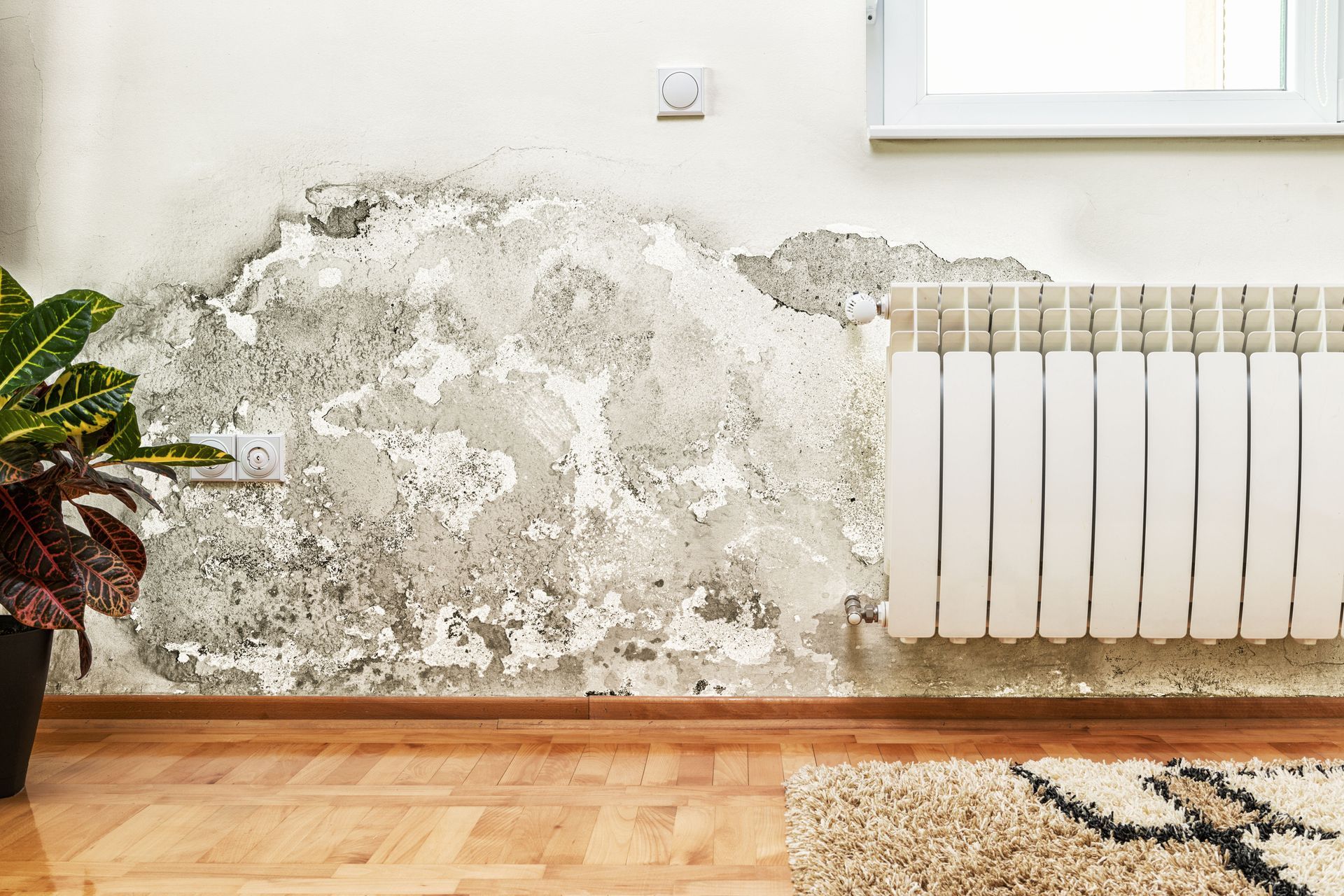
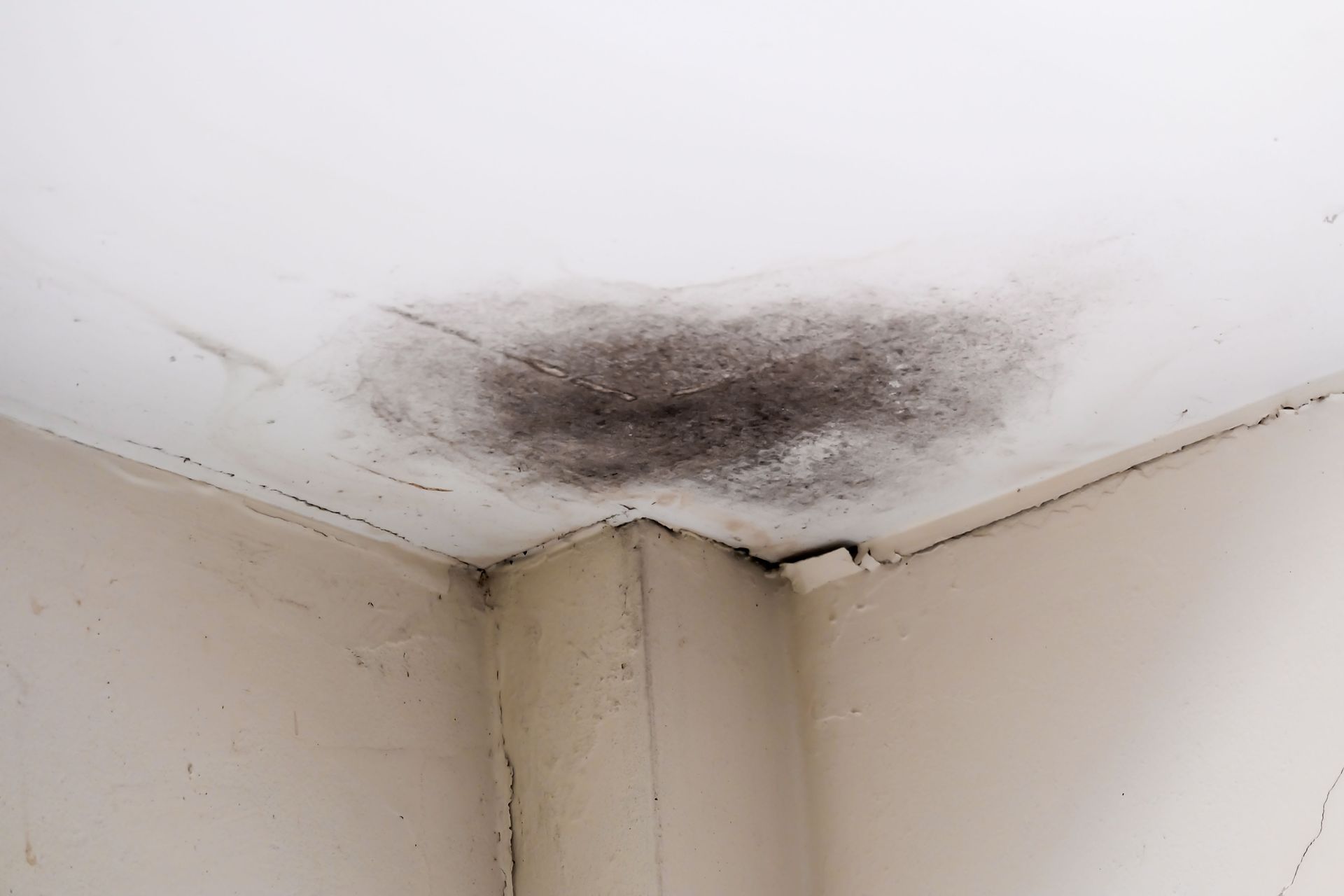
The signs of active fungal colonization do not always announce themselves with visible dark discoloration on an open living room wall. Often, the earliest warning sign is a pervasive, earthy odor that lingers even after thorough cleaning and superficial surface drying. This scent stems from microbial volatile organic compounds released by active fungal colonies as they digest cellulose materials. Another common sign involves subtle cosmetic abnormalities on architectural surfaces, including bubbling paint, peeling wallpaper, warped baseboards, or yellowed water stains along ceilings and drywall. In areas exposed to sustained moisture, flooring materials may cup or separate, while carpeting might develop a faint, stiff texture along its backing. Inhabitants may also notice increases in allergic-type sensitivities, such as nasal irritation, frequent sneezing, or persistent coughing whenever they enter specific rooms. When these clues coincide with a recent water event, they typically indicate active microbial activity operating just out of view.
Locating Hidden Moisture Reservoirs
Liquid water travels along the path of least resistance, often flowing far from the initial point of intrusion and collecting inside inaccessible building cavities. It commonly pools behind baseboards, beneath subflooring, inside insulated ceiling plenums, and within hollow wall assemblies. Because standard drywall absorbs moisture through capillary action, dampness can wick upward several feet above the floorline unnoticed. These dark, unventilated zones provide warm and undisturbed microclimates where fungal spores flourish rapidly. Attempting to locate these hidden pockets through visual checks alone is virtually impossible without specialized detection instruments. A certified mold removal contractor relies on non-invasive tools such as electronic moisture meters, deep-penetrating pin probes, and thermal imaging cameras to map the true perimeter of moisture pockets without causing unnecessary structural destruction. Locating every damp zone ensures that microbial colonies are not left behind to multiply within hidden building voids.
Understanding the Risks of Unchecked Contamination
Evaluating the Loss of Structural Integrity
Fungal organisms play an important role in nature by decomposing dead organic matter, but that exact biological mechanism is disastrous inside a finished house. When mold colonizes building components like pine wall studs, oriented strand board, subfloor plywood, and paper-faced drywall, it actively consumes the organic cellulose binders holding those materials together. Over months of unchecked proliferation, the structural integrity of these architectural materials degrades significantly. Subflooring can soften and sag, framing members can weaken, and suspended ceiling panels may collapse under lingering dampness. In advanced cases, extensive portions of the building envelope must be stripped down to bare structural supports to remediate the rot. Bringing in a licensed mold removal contractor quickly halts this destructive biological process before structural damage demands extensive structural reconstruction.
Examining the Decline of Indoor Air Quality
Beyond property preservation, indoor air quality remains a critical consideration when evaluating water damage. Active fungal growth releases millions of tiny spores along with fragments and metabolic gases directly into indoor ambient air. When normal air exchange cycles through heating and air conditioning ducts, these microscopic particles distribute throughout the entire residence. According to the Environmental Protection Agency, individuals can curb indoor mold development by maintaining ambient relative humidity levels within a range of 30% to 60%. When moisture intrusions spike indoor humidity past these levels, airborne particle counts escalate drastically. Breathing air laden with excessive biological particulates often triggers respiratory discomfort, eye redness, and prolonged throat irritation among occupants. Restoring normal, balanced air requires specialized structural remediation rather than simple cosmetic cleaning.
Outlining the Comprehensive Restoration Process
Establishing Containment and Air Filtration
Remediating widespread microbial growth involves far more than scrubbing surfaces with household cleaning detergents. In fact, disturbing dry or semi-dry colonies without containment releases massive plumes of spores into surrounding, unaffected living spaces. A professional mold removal contractor addresses this hazard by establishing strict physical containment barriers crafted from heavy polyethylene sheeting held taut by tension poles. Within this isolated zone, remediation crews deploy commercial negative air machines fitted with true high-efficiency particulate air filtration systems. These industrial air scrubbers draw contaminated air through multi-stage filters and exhaust it outside the structure, establishing continuous negative atmospheric pressure. This mechanical pressure differential ensures that any stray airborne particles remain trapped securely inside the containment field rather than escaping into adjacent clean rooms during physical remediation.
Removing Saturated Materials and Cleaning
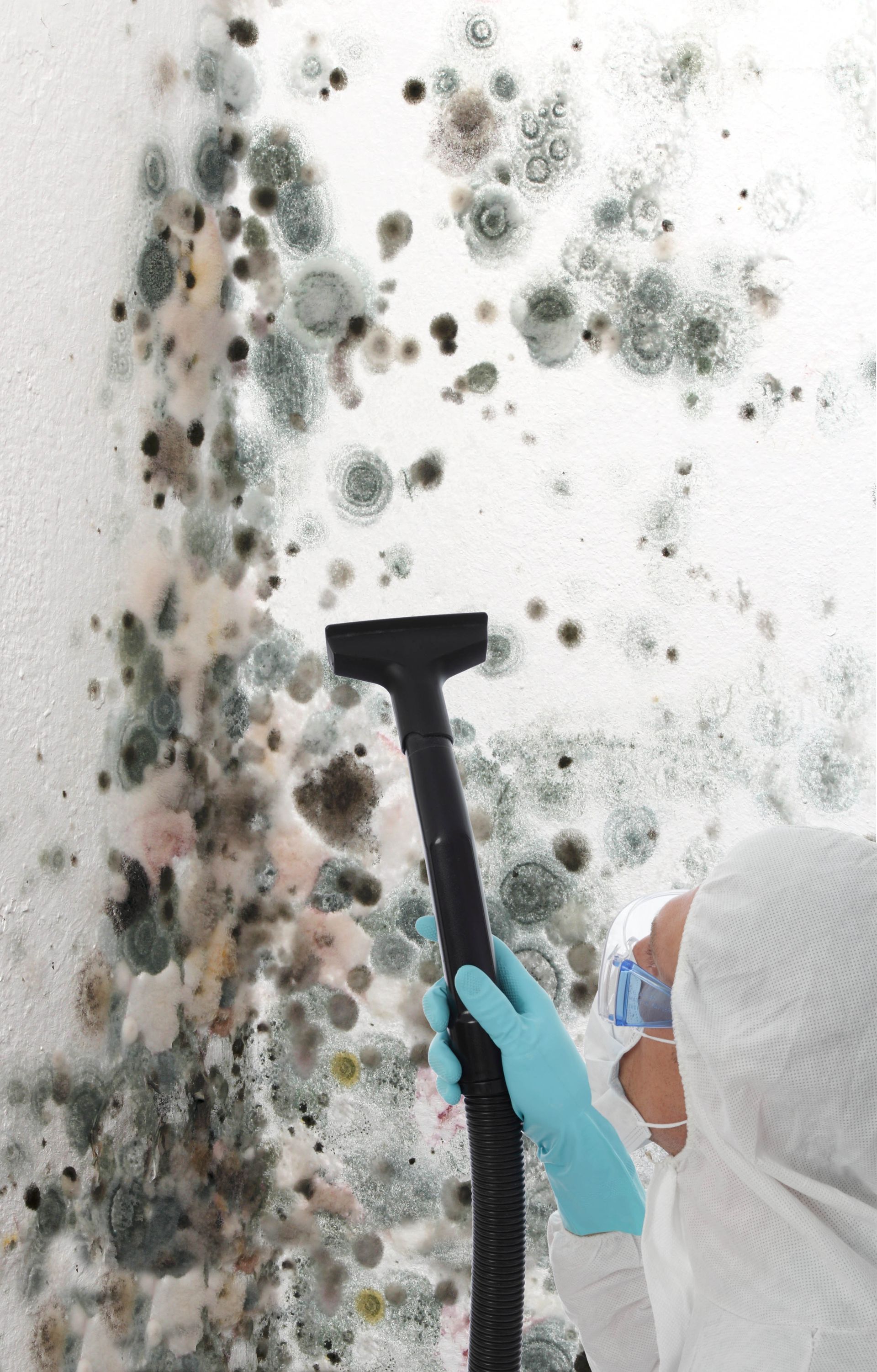
Once full containment is verified, the actual cleaning and extraction phase begins in accordance with standardized industry protocols. Porous structural materials that have sustained deep microbial penetration—such as soaked insulation, carpet padding, and deteriorated drywall—must be carefully bagged within containment and removed for proper disposal. Non-porous and semi-porous surfaces, including solid timber framing and concrete subfloors, are meticulously treated using antimicrobial washes, media blasting, or intensive manual scrubbing. Surfaces are then detailed with industrial HEPA vacuums capable of capturing microscopic particulate matter. Throughout this phase, a qualified mold removal contractor maintains rigorous environmental controls to ensure that spores detached during scrubbing are swept into the filtration system rather than allowed to settle elsewhere across the home.
Ensuring Complete Dehumidification and Verification
Physical removal of visible mold provides only a partial solution if elevated moisture levels remain trapped inside remaining framework. Structural drying requires heavy-duty commercial dehumidifiers and high-velocity axial air movers positioned strategically to pull moisture from deeply saturated wood and masonry. Remediators track relative humidity, ambient temperature, and moisture levels daily until all materials reach established dry-standard baselines. Once structural drying is verified, post-remediation assessments are conducted to confirm that airborne fungal concentrations inside the treated space match or fall below normal outdoor reference samples. By following these rigorous drying and verification protocols, an experienced mold removal contractor confirms that the living environment has returned to a clean, stable baseline.
Selecting the Right Professional for Remediation
Assessing Certifications and Industry Protocols
Remediation requires comprehensive technical knowledge spanning environmental microbiology, building science, psychrometrics, and structural drying mechanics. When seeking an experienced
mold removal contractor, property owners should prioritize professionals who hold credentials from recognized industry bodies, such as the Institute of Inspection, Cleaning and Restoration Certification. Certified technicians follow clear, established operational guidelines, such as the ANSI/IICRC S520 Standard for Professional Mold Remediation. These standardized procedures dictate everything from personal protective equipment requirements to precise moisture metrics and containment setup. Verifying that a firm adheres strictly to these professional frameworks gives homeowners confidence that cleanup procedures will be executed thoroughly, safely, and without cutting procedural corners.
Water intrusion can quickly undermine the comfort, safety, and physical structure of any residential property. When unexpected moisture problems strike, attempting surface cleanup on your own often leaves deep-seated microbial growth hidden inside structural cavities. Professional technicians possess the dedicated diagnostic tools, negative-pressure containment enclosures, and drying equipment required to identify hidden dampness and extract contamination safely. By taking rapid action following a water emergency, you safeguard your building assets and protect the ongoing quality of your indoor air. For dependable assistance with water extraction, structural drying, and comprehensive remediation, visit Magna Dry Cleaning and Restoration Inc to schedule a consultation with our experienced team.