October 17, 2026
Mold growth in residential or commercial properties is far more than an unpleasant visual issue; it represents a significant health hazard and structural threat. When fungal contamination occurs, hiring a professional mold remediation service ensures that the problem is accurately identified, safely isolated, and effectively eliminated. By following standardized industry protocols and utilizing commercial-grade equipment, certified specialists systematically eliminate the risks associated with various fungal species.
Identifying the Unique Characteristics of Common Indoor Molds
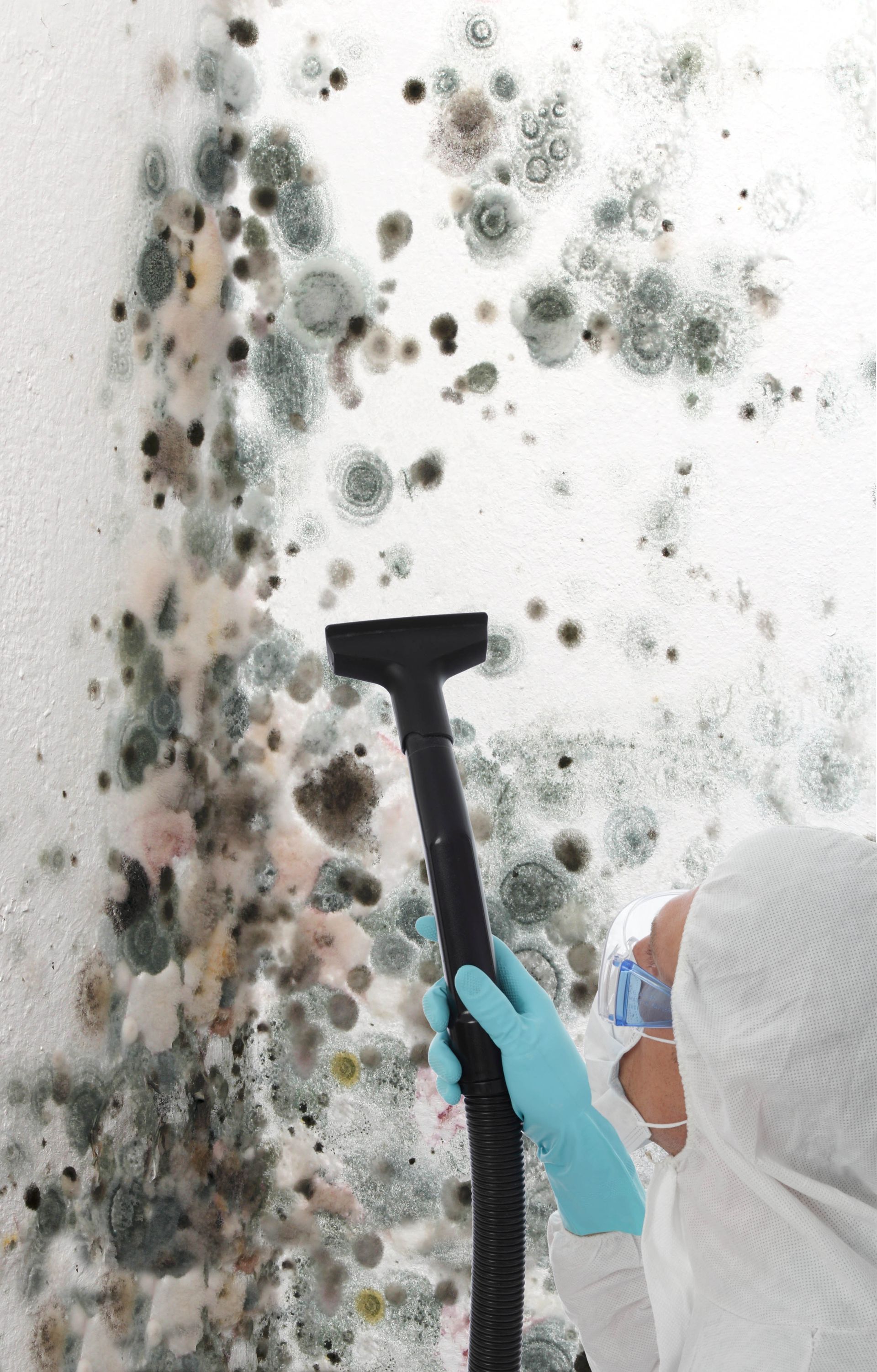
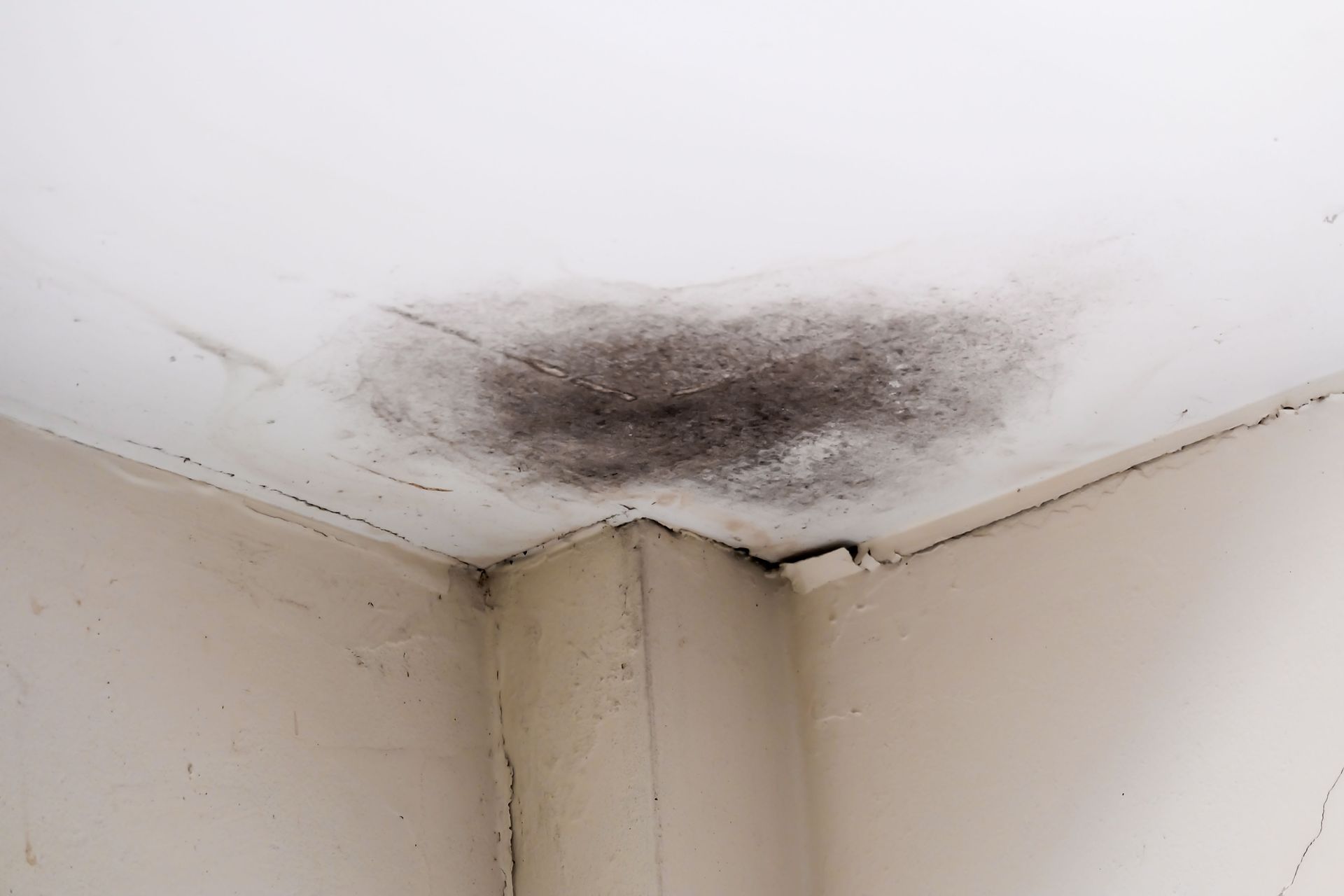
Understanding the specific nature of fungal growth is the foundational step in any successful abatement strategy. According to data published by Fixr, over 100 different mold types can form indoors, with each strain differing in visual appearance, preferred location, potential health risks, and overall restoration cost. For example, some species frequently colonize materials exposed to moderate humidity, such as carpet backing or wallboard, appearing as powdery blue or green patches. Conversely, toxic strains like the one widely known as black mold require sustained saturation from plumbing leaks or flooding to thrive, developing into dark greenish-black slimy patches that release dangerous mycotoxins into the air. Other common varieties flourish on both hard and soft surfaces, or develop in water-damaged drywall, changing color from white to gray over time.
Because different species demand tailored containment tactics and chemical solutions, engaging a professional mold remediation service provides property owners with the precise diagnostic expertise needed to evaluate the exact fungi present. Specialists conduct visual inspections, thermal imaging assessments, and surface sampling to determine the full scope of contamination. This diagnostic phase prevents building owners from applying ineffective over-the-counter remedies that might aggravate the infestation or fail to target hidden colonies buried behind walls.
Containing the Spread of Airborne Fungal Spores
Once an inspection confirms active colonies, the primary objective shifts to preventing micro-spores from cross-contaminating unaffected rooms during cleanup. Fungal colonies reproduce by releasing microscopic spores into the surrounding atmosphere, which easily drift through hallway air currents or HVAC ductwork. To stop this airborne migration, a top-tier mold remediation service establishes physical isolation barriers using heavy-duty plastic sheeting sealed with industrial tape across all doorways and vents. Furthermore, remediation technicians deploy negative air pressure chambers within the isolated work area.
By placing powerful exhaust fans equipped with specialized ducting that vents air directly outside, pressure inside the contaminated zone remains lower than in adjacent clean rooms. This pressure differential guarantees that whenever technicians enter or exit the containment zone, air flows inward rather than outward, carrying dislodged spores back toward central filtration units. Technicians also shut down central heating and cooling systems to prevent fan units from pulling airborne spores into duct networks and distributing them throughout the building. Through these engineering controls, professionals ensure that scrubbing and removing fungal growth does not compromise indoor air quality elsewhere.
Utilizing Advanced Air Scrubbers and Filtration Systems
Isolating the work area is only effective if trapped air within that zone can be continuously cleaned and purified. During the physical disruption of mold colonies, microscopic spores become airborne, posing severe respiratory hazards to anyone lacking specialized protective equipment. To address this environmental hazard, relying on a qualified mold remediation service gives property owners access to industrial-grade air scrubbers equipped with high-efficiency particulate air filters. These HEPA filtration units are specifically certified to capture micro-particles with a high efficiency rate.
As air passes through multi-stage pre-filters and dense HEPA membranes, floating fungal spores, hyphal fragments, and bioaerosols are pulled out of circulation and trapped. Technicians calculate the volumetric air exchanges required for the room size, ensuring that contaminated air passes through scrubbing equipment multiple times per hour. This continuous air scrubbing continues throughout the removal procedure and after physical cleaning is completed. By systematically removing airborne particulates from the enclosed environment, professionals drastically reduce ambient spore counts to levels equal to or lower than natural outdoor baseline conditions, creating a safe working atmosphere.
Applying Chemical Biocides and Antimicrobial Agents
While mechanical filtration cleans the air, liquid-phase chemical treatments are necessary to destroy root structures and neutralize residual surface contamination. Everyday cleaning products like standard chlorine bleach are often ineffective on porous surfaces because their chemical composition prevents deep penetration into wood fibers, leaving fungal roots alive to regenerate. In contrast, a specialized mold remediation service utilizes EPA-registered biocides, fungicides, and antimicrobial agents designed specifically to penetrate deep into porous substrate layers and kill fungi at the cellular level.
Technicians apply these commercial solutions directly to affected structural framing, subflooring, and non-porous fixtures using precision pressure sprayers or thermal foggers that reach tight crevices and hidden cavities. These chemical formulations dissolve cellular walls and neutralize fungal proteins while leaving an active microscopic residue that inhibits future spore germination. After primary cleaning and surface sanitization, technicians frequently apply specialized antimicrobial sealants or acrylic coatings to structural wood. These encapsulates effectively entomb any remaining microscopic traces, forming a permanent moisture barrier that prevents dormant spores from reactivating if humidity levels rise later.
Removing Damaged Porous Building Materials
When fungal hyphae penetrate deeply into organic structural materials like drywall, ceiling tiles, carpet padding, and insulation, superficial surface washing is insufficient to guarantee safety. Highly porous items act like sponges, allowing fungal structures to weave deep into their interior matrix where chemical sprays cannot reach without causing structural degradation. In these circumstances, certified technicians follow strict industry standards set by trade organizations to physically remove and discard unsalvageable materials.
Wearing personal protective equipment including full-face respirators, protective suits, and nitrile gloves, workers carefully cut away affected drywall, rip up contaminated carpeting, and bag all debris directly within the containment zone. By sealing contaminated waste in heavy-duty plastic disposal bags before carrying it out of the work area, technicians eliminate the risk of dropping mold-laden materials through clean corridors. Once contaminated materials are safely removed, underlying structural elements such as solid wood wall studs and concrete subfloors are wire-brushed, vacuumed with HEPA equipment, and disinfected. Replacing heavily compromised building elements ensures that underlying support structures are completely free of organic decay before new construction materials are installed.
Implementing Long-Term Moisture Control and Prevention Solutions
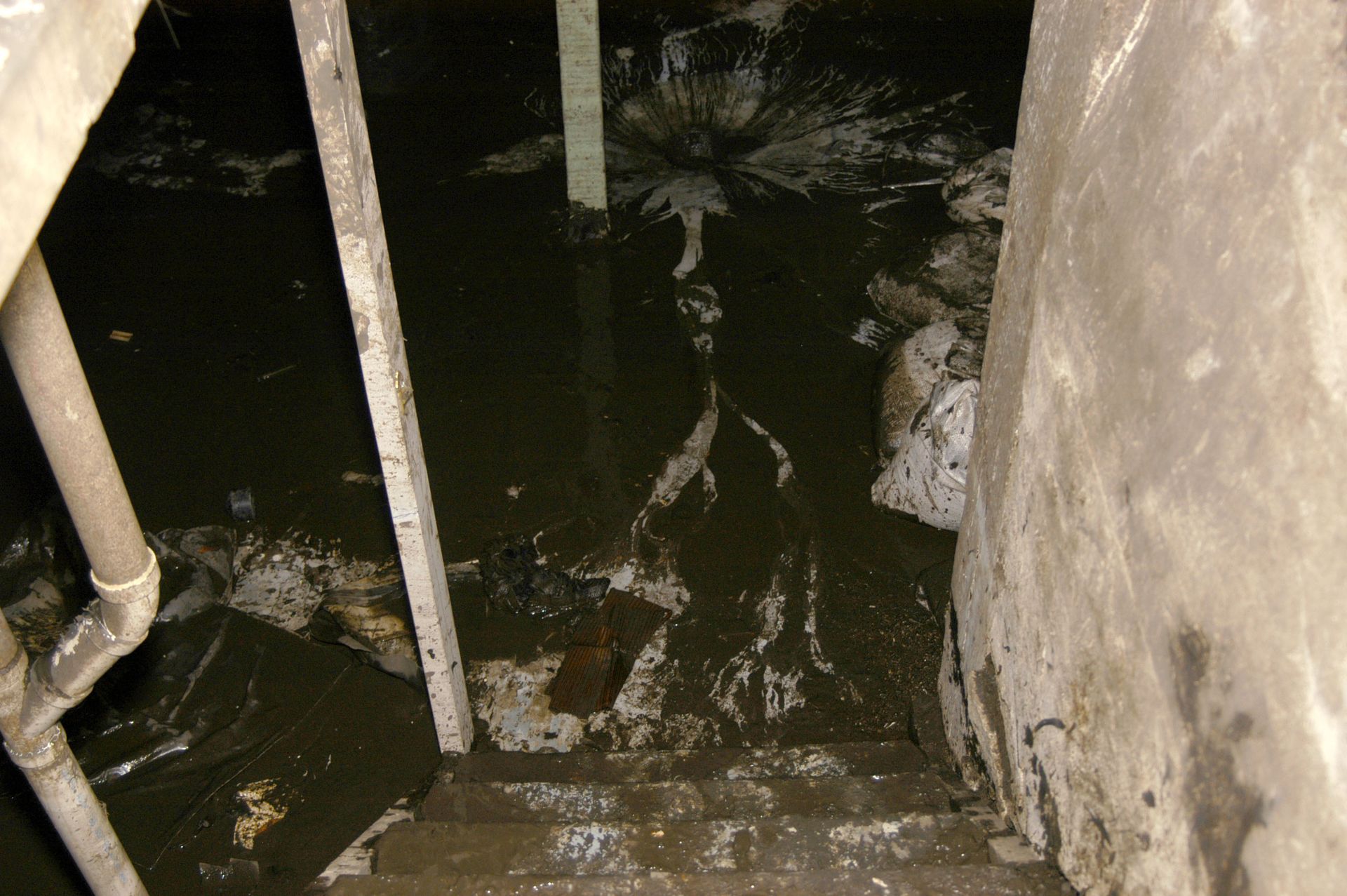
The final phase of professional abatement centers on addressing the environmental conditions that allowed fungal colonies to take root initially. Fungi require food in the form of organic cellulose, warm ambient temperatures, and continuous moisture to survive and multiply. Because organic building materials and moderate indoor temperatures are standard in modern structures, controlling moisture remains the single most critical factor in long-term prevention. A comprehensive mold remediation service goes beyond surface cleanup by identifying and correcting hidden moisture sources, such as plumbing leaks, roof intrusions, poor crawlspace ventilation, or foundation seepage.
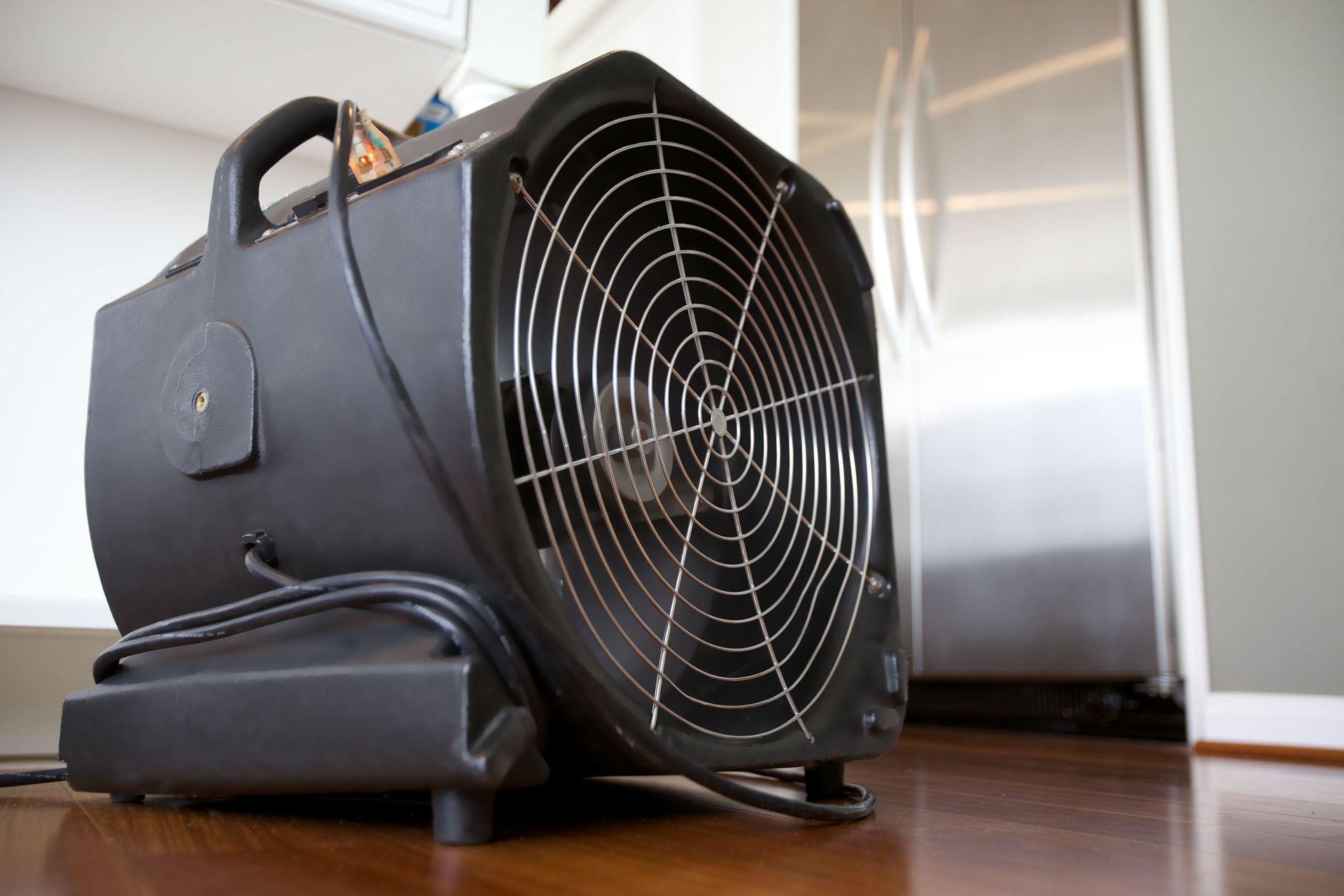
Technicians deploy commercial dehumidifiers and high-velocity air movers to dry saturated building materials completely, lowering relative humidity levels within the structure to below fifty percent. They may also recommend installing continuous vapor barriers in crawlspaces, enhancing attic ventilation systems, or applying waterproof coatings to foundation walls. By eliminating excess indoor humidity and drying structural components to their equilibrium moisture content, professionals ensure that residual spores landing on surfaces in the future remain dormant and harmless.
Eradicating mold hazards requires a systematic approach combining thorough inspection, negative pressure containment, HEPA air filtration, deep chemical treatment, and root-cause moisture control. Attempting to handle widespread fungal contamination without specialized equipment often spreads airborne spores and leads to costly recurrent property damage. Partnering with certified industry experts ensures that your indoor environment is restored safely, protecting both structural integrity and long-term health. For more on how professionals combat pathogens in your property with
mold remediation service, please contact Magna Dry Cleaning and Restoration Inc.