July 14, 2026
Mold issues inside a home or business can escalate quickly, especially when moisture problems go unaddressed. A professional mold remediation service is designed to identify, contain, remove, and help prevent future mold growth in a structured, safety-focused manner. Understanding what happens during the process can help property owners feel more prepared and confident. This guide walks through each stage so you know exactly what to expect.
What a Professional Service Includes
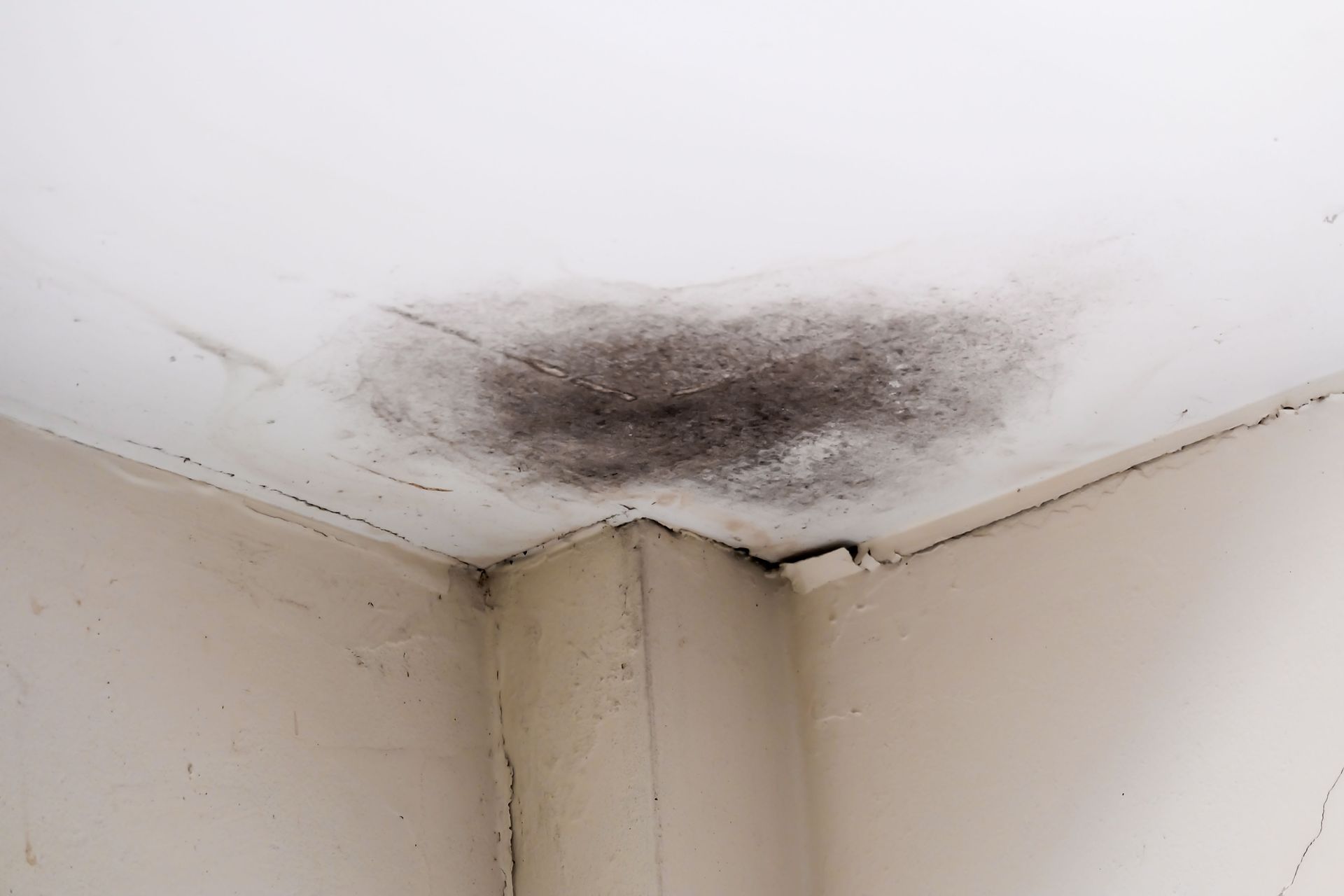
A professional mold remediation service is more than just cleaning visible mold. It involves a multi-step process that targets both the moisture source and the contamination itself. The goal is to restore indoor air quality and prevent mold from returning. In many cases, technicians also evaluate how far the mold has spread behind walls, under flooring, and within HVAC systems, since mold often develops in hidden or hard-to-reach areas before becoming visible.
Typical services include:
- Full property inspection and moisture detection
- Containment of affected areas
- Safe removal of contaminated materials
- Air filtration and purification
- Structural drying and dehumidification
- Post-remediation verification
Each step is performed in a specific order to ensure contaminants are not spread to clean areas during the process. Technicians may also document findings with photos and moisture readings to create a clear remediation plan and provide transparency throughout the project. In some cases, odor-control treatments are applied to address lingering musty odors caused by mold spores trapped in porous materials.
Companies like Magna Dry Cleaning and Restoration Inc offer comprehensive restoration services, including mold remediation, water damage restoration, and related cleanup solutions designed to protect both residential and commercial properties.
Initial Inspection and Moisture Assessment
The first step in a professional mold remediation service is a detailed inspection. Technicians evaluate visible mold growth and look for hidden moisture sources that may be contributing to the issue. This stage also helps establish how long the problem has likely been developing, since mold often begins growing within 24 to 48 hours of consistent moisture exposure.
During this phase, professionals typically:
- Use moisture meters to detect water intrusion behind walls, ceilings, and flooring
- Identify the type and extent of mold contamination
- Assess HVAC systems for possible spread of spores
- Determine the cause of moisture, such as leaks, flooding, or humidity issues
- Check for condensation points around windows, insulation, and plumbing lines
- Map affected areas to guide containment and remediation planning
This stage is critical because mold cannot be effectively removed without addressing the underlying moisture problem. If that source remains untreated, mold is likely to return even after cleanup.
Containment and Safety Preparation
Once the affected areas are identified, the next step in a professional mold remediation service is containment. This prevents mold spores from spreading to unaffected parts of the property during cleanup. Proper containment is essential because even minor disturbances can release spores into the air, allowing contamination to travel through HVAC systems and settle in new areas of the structure.
Containment procedures often include:
- Installing plastic sheeting barriers around contaminated zones
- Using negative air pressure systems to control airflow
- Sealing vents and doorways to isolate the work area
- Setting up HEPA air scrubbers to capture airborne spores
- Establishing entry and exit protocols to reduce cross-contamination risks
- Creating designated clean and dirty zones for equipment and materials
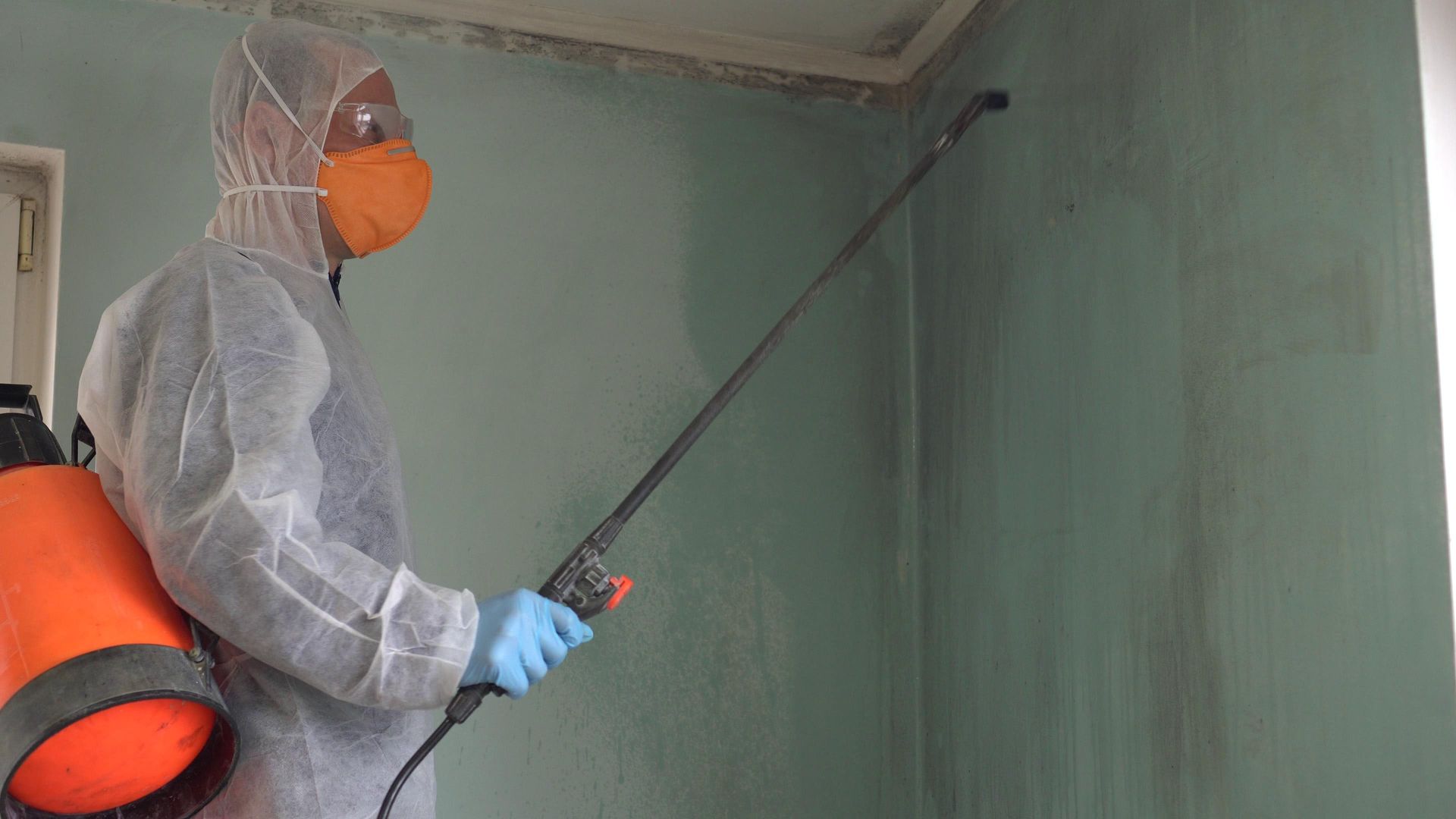
Technicians also wear personal protective equipment such as respirators, gloves, and protective suits. These precautions help ensure that both workers and occupants remain safe throughout the process. In some cases, additional monitoring equipment is used to verify that airborne spore levels remain within acceptable limits during active remediation work.
Mold Removal and Cleaning Process
The removal phase is the core of any mold remediation service. Depending on the severity of the contamination, different methods may be used to eliminate mold growth from surfaces and materials.
Common steps include:
- Removing and disposing of porous materials like drywall, insulation, or carpeting when necessary
- Cleaning non-porous surfaces using antimicrobial and antifungal treatments
- Scrubbing and HEPA vacuuming affected areas to remove spores
- Treating structural components to prevent regrowth
In many cases, technicians also clean personal belongings if they have been affected by mold exposure. The goal is to reduce contamination levels as much as possible while preserving salvageable materials.
It is important to understand that not all materials can be saved. Items that are heavily contaminated or structurally compromised are typically removed to prevent ongoing mold spread.
Dehumidification and Drying Process
Moisture control is a critical component of any mold remediation service. Even after mold removal, any remaining moisture can support new growth.
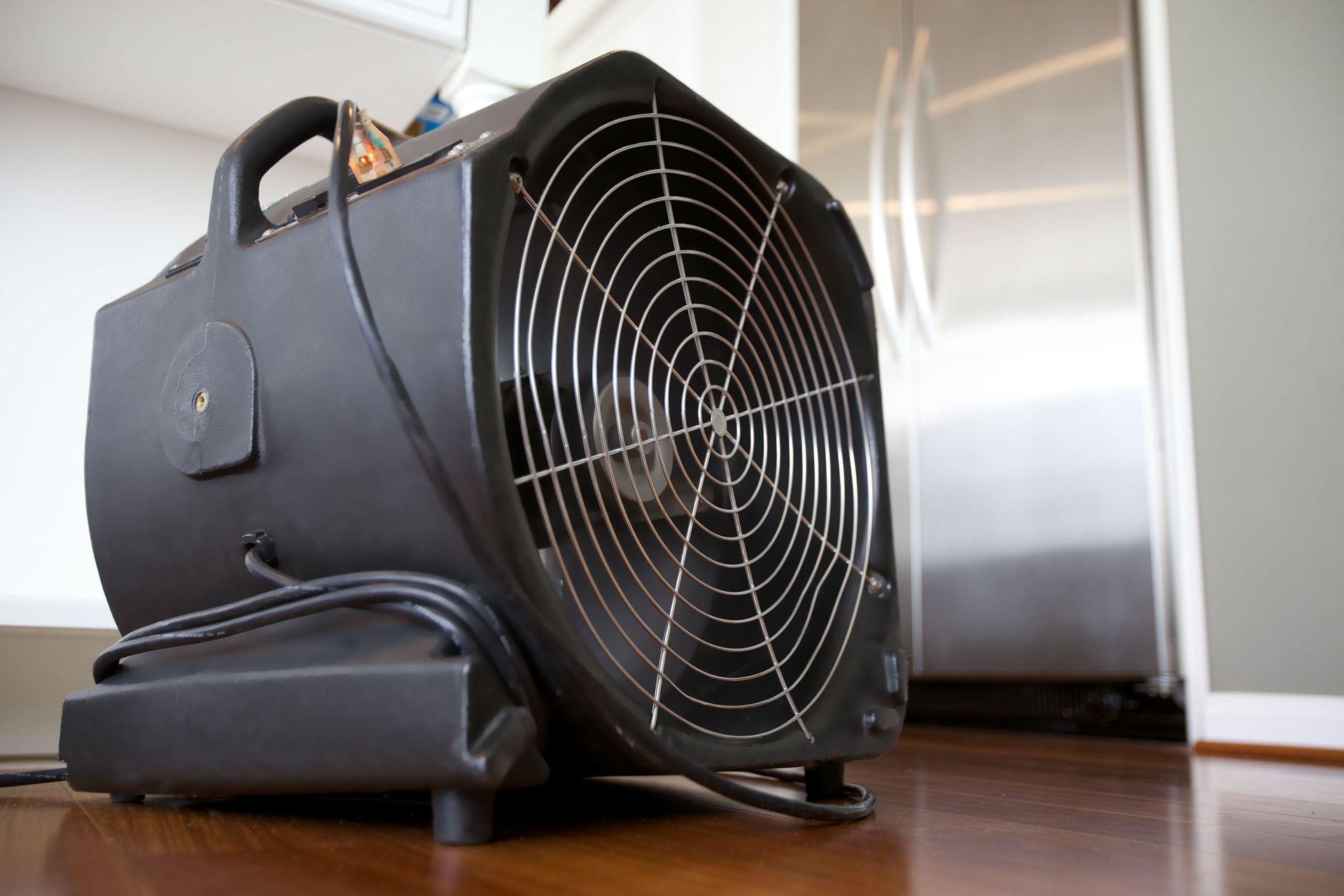
To prevent this, professionals use specialized equipment such as:
- Industrial air movers to speed up evaporation
- Commercial-grade dehumidifiers to reduce humidity levels
- Thermal imaging tools to confirm that hidden moisture has been eliminated
This stage often lasts several days, depending on the extent of water damage and the structure's humidity levels. Proper drying ensures that conditions are no longer favorable for mold growth.
Post Remediation Verification and Prevention Tips
After cleanup and drying are complete, a professional mold remediation service typically includes a final inspection to confirm that the problem has been resolved.
This may involve:
- Air quality testing to measure spore levels
- Visual inspection of previously affected areas
- Moisture verification to ensure dryness standards are met
Once clearance is confirmed, technicians often provide recommendations to help prevent future mold issues, such as:
- Fixing leaks or plumbing issues promptly
- Improving ventilation in bathrooms, kitchens, and basements
- Using dehumidifiers in high-humidity areas
- Scheduling regular property inspections
Preventative maintenance plays a major role in reducing the likelihood of recurring mold problems.
Checklist for a Professional Mold Remediation Service
To help you stay organized during the process, here is a practical checklist outlining what to expect and prepare for:
- Schedule a full property inspection
- Identify and document visible mold growth
- Locate and repair moisture sources
- Establish containment barriers
- Set up air filtration systems
- Remove contaminated materials safely
- Clean and disinfect affected surfaces
- Dry and dehumidify the structure
- Conduct post-remediation testing
- Review prevention strategies with technicians
Following this checklist helps ensure that each stage of the mold remediation service is completed thoroughly and correctly.
Industry Growth and Why Professional Service Matters
The demand for professional remediation continues to rise as property owners become more aware of indoor air quality risks. According to EINpresswire, the Global Mold Remediation Service Market is estimated to be valued at USD 1,750.7 million in 2025, reflecting strong global growth in the industry.
This growth underscores the growing need for trained professionals to safely manage mold contamination in both residential and commercial environments. DIY approaches often fail to address hidden moisture or airborne spores, leading to recurring problems and potential health concerns.
A professional mold remediation service provides structured procedures, specialized equipment, and industry expertise that significantly reduce these risks while improving long-term property safety.
Long-Term Protection and Next Steps
Once remediation is complete, maintaining a dry and well-ventilated environment is essential for long-term protection. Property owners should continue monitoring for signs of leaks, humidity buildup, or musty odors that could indicate new mold growth.
Regular inspections and proactive maintenance can make a significant difference in preventing future issues and preserving indoor air quality.
When handled correctly, a professional mold remediation service not only resolves current contamination but also helps protect the property for years to come. For expert restoration support and dependable service, contact Magna Dry Cleaning and Restoration Inc.