March 30, 2026
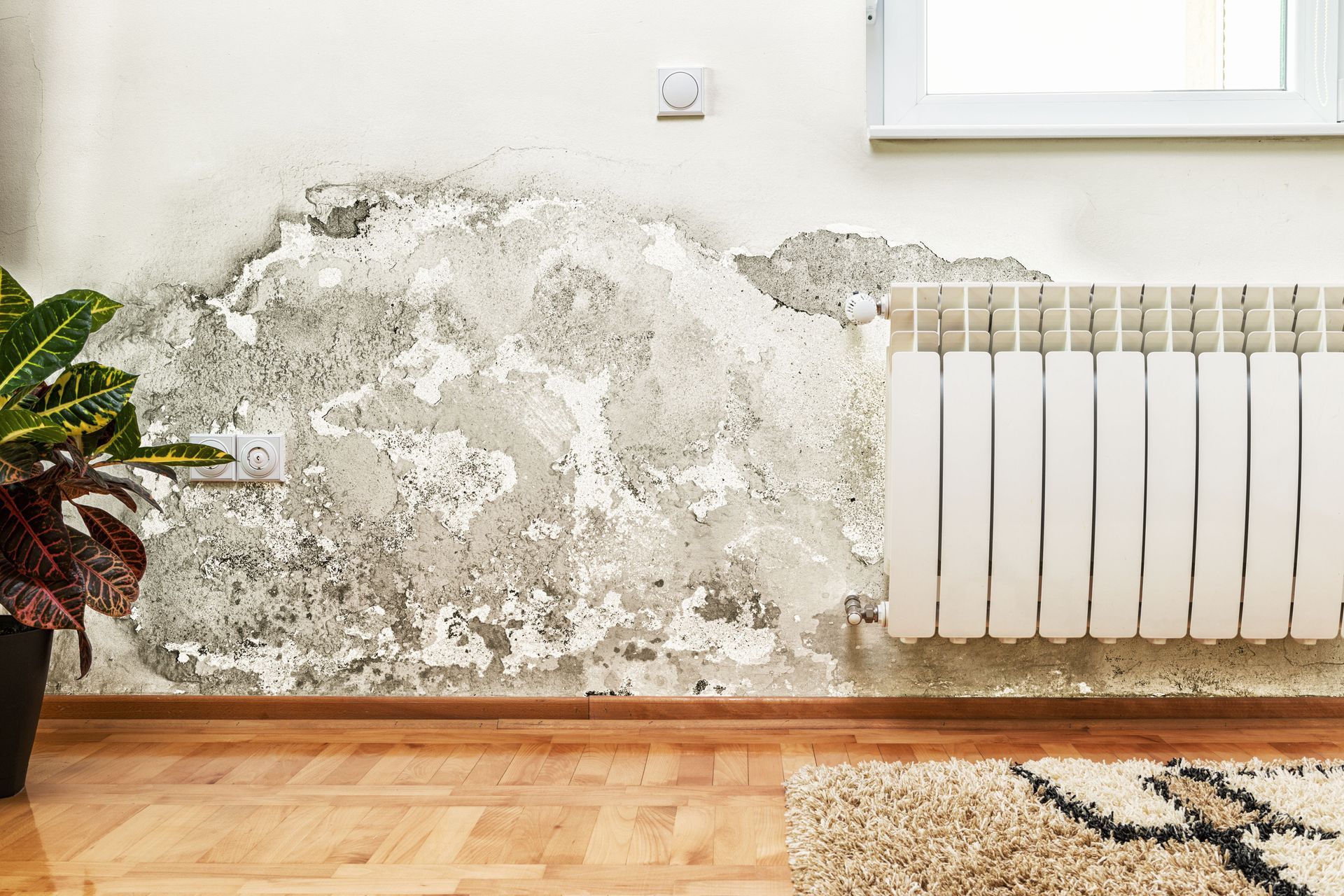
Mold is a complex and highly adaptable organism that plays an essential role in nature while creating real concerns for homeowners. These microscopic fungi thrive in a wide range of environments, which is why they so often appear indoors. While many people view mold strictly as a problem, a deeper understanding of its behavior and diversity leads to more practical, effective management strategies. Understanding the conditions that promote its growth is crucial for implementing preventive measures. In residential settings, mold remediation becomes a key step in maintaining a safe, healthy living environment without ignoring mold's natural presence.
Examine the Diversity of Mold Species
The sheer variety of mold species is astonishing; according to Green Building Law Update, there are more than 100,000 known species of mold. This diversity allows mold to grow in everything from damp basements to well-lit kitchens with minimal moisture. Each type behaves differently, making identification and treatment more nuanced than many homeowners expect. Effective management often requires a customized approach to address specific mold variants and environmental conditions. That complexity is exactly why successful mold remediation strategies must be tailored to the specific conditions and species involved.
Understand Mold's Role in Nature and Homes
In the natural world, mold serves a critical function as a decomposer that breaks down organic matter. This process recycles nutrients back into the soil, supporting plant life and maintaining balanced ecosystems. Inside a home, however, that same process can quietly damage wood, drywall, and other structural materials. This highlights the need for regular inspection to catch early signs of mold-related deterioration. When deterioration begins, professional mold remediation helps stop the spread early and prevents more extensive, costly repairs.
Identify Health Risks of Mold Exposure
Health concerns are often the most immediate issue tied to mold exposure. Certain species release airborne spores that can trigger allergies, asthma symptoms, and other respiratory complications. Vulnerable individuals, including children and those with weakened immune systems, face an increased risk when exposure is prolonged. It's advisable to consult healthcare professionals if mold-related symptoms appear. Prompt mold remediation reduces airborne contaminants and helps restore healthier indoor air quality before symptoms escalate.
Control Moisture to Prevent Mold Growth
Moisture control remains the most effective way to prevent mold growth in the first place. Leaks, poor ventilation, and high humidity levels create ideal conditions for spores to spread and colonize surfaces. Addressing these issues early significantly lowers the risk of recurring infestations and long-term structural damage. Investing in quality ventilation systems can also aid in maintaining optimal humidity levels. When prevention is no longer enough, targeted mold remediation ensures that both visible growth and hidden moisture sources are fully addressed.
Detect Hidden Mold in Homes
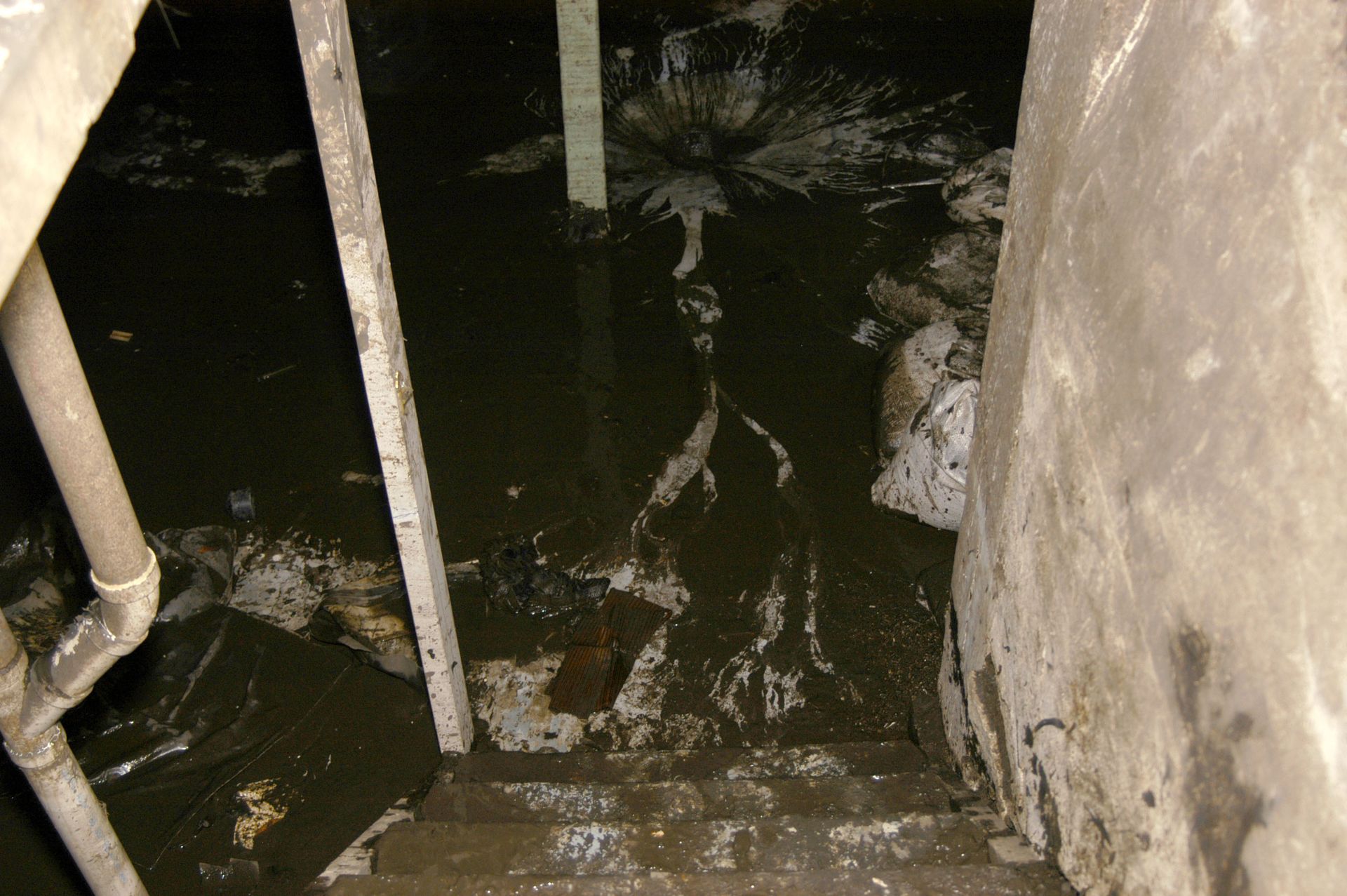
Mold can often hide in areas that are not immediately visible, such as behind walls, under flooring, or inside HVAC systems. These hidden pockets create ongoing moisture and air quality issues if left unchecked. Regular inspections and maintenance of plumbing, ventilation, and basements can help homeowners identify potential problem areas before they become serious. Exploring professional inspections can further guarantee that hidden mold is identified and remediated. Being proactive in monitoring these spaces is key to protecting both the home's structure and the health of its occupants.
Protect Household Belongings from Mold
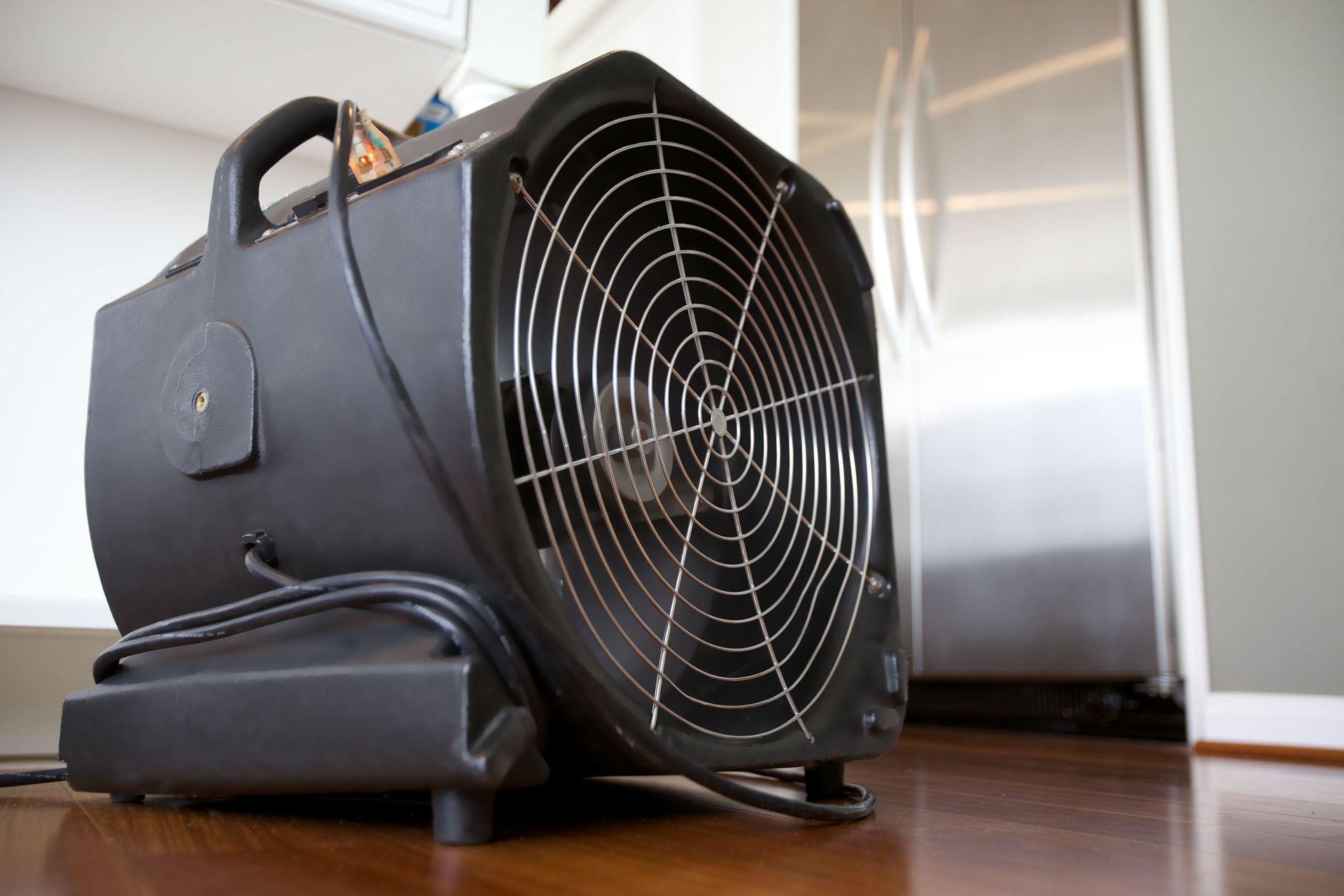
In addition to structural concerns, mold growth can affect household belongings and personal items. Carpets, upholstery, clothing, and even electronics may absorb spores or retain moisture, leading to lingering odors and potential damage. Taking preventive measures, such as using dehumidifiers, cleaning fabrics regularly, and addressing spills promptly, can minimize these risks. Proper storage techniques, like using airtight containers, also help protect belongings from mold damage. Combining these practices with professional services ensures that both the home and its contents remain safe and well-maintained.
Recognize Mold's Contributions to Science
Despite its drawbacks in homes, mold has contributed significantly to scientific and medical advancements. The discovery of penicillin from the penicillium mold is one of the most well-known examples of its benefits. This dual role highlights the importance of managing mold thoughtfully rather than viewing it as purely harmful. Being informed about mold's positive contributions encourages a balanced perspective in addressing its challenges.
With the right approach, including timely mold remediation, homeowners can protect their spaces while recognizing mold's broader role in the environment. When mold becomes a concern, we're ready to respond with twenty-four/seven emergency service, free consultations, and fully licensed, insured support. Contact Magna Dry Cleaning and Restoration Inc today to schedule an assessment and take the first step toward a cleaner, healthier space.